
Patterned Chinese floor tiles, a testament to centuries of artistry and craftsmanship, offer a captivating blend of history, design, and enduring beauty. These exquisite tiles, meticulously crafted with traditional techniques and imbued with symbolic meaning, have graced homes and public spaces for generations. Their intricate patterns, ranging from geometric precision to vibrant floral motifs, speak volumes about the rich cultural heritage of China.
From the meticulous hand-painted details to the sophisticated firing processes, each patterned tile tells a story. This exploration delves into the fascinating world of these time-honored floor coverings, examining their historical significance, manufacturing processes, and continuing relevance in modern design.
Overview of Patterned Chinese Floor Tiles
Patterned Chinese floor tiles, a testament to the nation’s rich artistic heritage, have adorned homes and public spaces for centuries. Beyond their aesthetic appeal, these tiles offer a window into Chinese history, reflecting cultural values, artistic trends, and technological advancements. Their intricate designs and durable construction have ensured their longevity, allowing them to remain captivating objects of study and appreciation.These decorative tiles, often intricately designed, serve as a tangible link to the past, showcasing the craftsmanship and artistry of previous eras.
They are more than mere floor coverings; they are embedded with historical significance, reflecting the socio-economic conditions and artistic tastes of their time. The meticulous production techniques and unique materials used contribute to their enduring appeal.
Materials Used in Production
The selection of materials for patterned Chinese floor tiles has evolved over time, adapting to advancements in technology and readily available resources. Early tiles often employed readily available clays and glazes. As techniques developed, higher-quality materials like porcelain and stoneware emerged, enabling more intricate and durable designs. The unique properties of these materials contributed to the tiles’ aesthetic qualities and longevity.
For example, porcelain’s translucency and strength allowed for intricate glaze applications, while stoneware’s durability ensured the tiles could withstand significant foot traffic.
Design Styles and Patterns
Patterned Chinese floor tiles exhibit a diverse range of design styles, reflecting the evolving aesthetic preferences and cultural influences of different periods. From the delicate floral motifs of the Ming dynasty to the bold geometric patterns of the Qing dynasty, the tiles offer a visual journey through Chinese artistic history. The use of symbolism and motifs varied across these periods, each style contributing to the rich tapestry of Chinese design.
Specific examples include the use of dragons, phoenixes, and auspicious clouds, which held deep cultural and symbolic meaning.
Popular Motifs and Symbols
Chinese floor tiles often feature a variety of motifs and symbols, each with its own symbolic significance. These representations can convey good fortune, prosperity, or other important values. A significant list includes:
- Dragons and Phoenixes: These mythical creatures are frequently used to symbolize power, good fortune, and auspiciousness. Their presence in a design suggests the hope for a prosperous and powerful future.
- Clouds and Rain: These symbols often appear together, representing abundant rainfall and plentiful harvests, thus signifying good fortune and prosperity.
- Flowers and Plants: Various flowers and plants, like peonies and lotuses, appear frequently, often symbolizing beauty, grace, and good fortune. The choice of flower often carried cultural connotations.
- Geometric Patterns: Geometric patterns like squares, circles, and triangles were common, and their symbolic meaning often varied across different eras. The pattern itself often carried cultural implications.
- Paisley and Other Intricate Designs: These patterns often reflected the evolving artistic trends and trade relations of the time, with each contributing to the overall aesthetics.
These motifs, often used in combination, created elaborate and meaningful designs that conveyed specific messages and values to those who viewed them. The specific combination of motifs conveyed different meanings, adding depth and complexity to the tiles.
Types and Variations of Patterns
Chinese patterned floor tiles, a rich tapestry of design, have evolved over centuries, reflecting societal values, artistic trends, and technological advancements. From humble beginnings to intricate masterpieces, these tiles showcase a profound understanding of aesthetics and craftsmanship. The diverse range of patterns, techniques, and historical context make them a fascinating study in cultural expression.The artistry of patterned Chinese floor tiles extends beyond mere decoration; it’s a visual narrative that encapsulates the era in which it was created.
The choices of patterns, colors, and materials reveal the social and economic climate of the time, and the skill and dedication of the artisans who produced them.
Geometric Patterns
Geometric patterns, characterized by precise shapes and lines, are a fundamental element in Chinese floor tile design. These patterns often utilize squares, circles, triangles, and other geometric forms arranged in intricate and symmetrical layouts. The elegance of these designs lies in their mathematical precision and the harmony they achieve through careful arrangement.
Floral Patterns
Floral patterns, frequently featuring stylized depictions of flowers, plants, and vines, evoke a sense of natural beauty and serenity. The stylized nature of these designs often emphasizes symbolic meanings and cultural significance. The flowing lines and delicate details of floral patterns contribute to the overall aesthetic appeal of the tiles. They are particularly prevalent in Ming and Qing dynasty tilework, reflecting a focus on natural beauty.
Symbolic Patterns
Symbolic patterns often incorporate auspicious motifs that convey specific meanings and values. These patterns, such as those featuring dragons, phoenixes, clouds, and auspicious characters, often hold profound cultural and spiritual significance. The use of these symbols adds a layer of meaning and cultural context to the tiles, enhancing their aesthetic appeal and value. For instance, the dragon, a symbol of imperial power and good fortune, frequently appears in patterns intended for high-status homes.
Techniques for Creating Patterns
Various techniques are employed in creating patterned Chinese floor tiles. Hand-painted designs offer a high degree of artistic expression and personalization. Printed patterns, utilizing molds and stencils, allow for efficient production while maintaining aesthetic appeal. Inlaid techniques, where different colored materials are set into a base, create intricate and visually striking designs.
Evolution of Patterns
The evolution of patterned Chinese floor tiles reflects changing artistic trends and cultural values. Early examples often featured simpler geometric designs. Later periods saw the incorporation of more complex floral and symbolic motifs, reflecting the burgeoning sophistication of Chinese art and craftsmanship. The shift in styles also corresponds to periods of prosperity and artistic flourishing, demonstrating the interplay between societal conditions and artistic expression.
The Qing dynasty, for example, saw a surge in intricate and detailed patterns, particularly in floral and symbolic designs, showcasing the dynasty’s rich cultural heritage.
Manufacturing Processes and Techniques
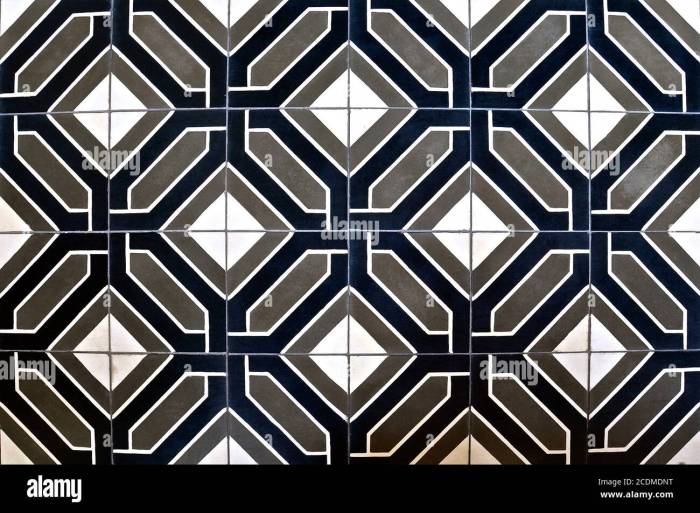
Traditional Chinese patterned floor tiles, often imbued with cultural symbolism and artistic finesse, rely on time-honored craftsmanship. Modern production, while leveraging automation, still draws inspiration from these age-old methods, creating a blend of tradition and innovation. The manufacturing processes dictate the quality, aesthetic, and durability of the finished product, impacting the tile’s market value and consumer appeal.The meticulous process of creating patterned Chinese floor tiles involves a complex interplay of preparation, shaping, decoration, and firing.
The choice of materials, firing methods, and decorative techniques directly influence the final product’s characteristics, including its color, texture, and resistance to wear and tear. This intricate process ensures the tiles meet the highest standards of quality and aesthetic appeal.
Traditional Manufacturing Processes
The traditional approach to crafting patterned tiles often involves hand-sculpting and hand-painting techniques. Clay preparation, a crucial initial step, is a painstaking process involving meticulous blending and refinement to achieve the desired consistency and color. This labor-intensive method ensures that each tile retains its unique character and artistry. The application of intricate patterns and motifs is often a time-consuming endeavor, requiring immense skill and patience.
Modern Manufacturing Techniques
Modern manufacturing processes utilize advanced machinery to streamline production while maintaining the essence of traditional design. Automated processes, such as precise molding and intricate decorative printing, enhance efficiency without sacrificing the aesthetic qualities. These methods, while increasing output, also permit greater control over the consistency and quality of each tile.
Firing Methods and Effects
Various firing methods are employed in the production of patterned Chinese floor tiles, each impacting the final product’s properties. Kiln firing, a traditional method, exposes the tiles to high temperatures, creating a durable and hard-wearing surface. The precise temperature and duration of firing directly influence the tile’s color and resistance to chipping or cracking. Different firing techniques, such as oxidation and reduction, affect the tile’s final color, texture, and durability.
For example, oxidation firing typically results in a brighter, more vibrant color palette, while reduction firing produces darker, more subdued tones.
Steps in Creating a Specific Type of Patterned Tile
The creation of a specific type of patterned tile, such as a hand-painted floral design, involves a series of meticulously executed steps. First, the clay is prepared and molded into the desired shape. Subsequently, intricate patterns are meticulously hand-painted onto the surface of the tile. After the application of the paint, the tile undergoes a rigorous firing process to solidify the design and ensure durability.
The specific type of paint, its composition, and the firing conditions all play a crucial role in achieving the final product’s appearance and longevity.
Examples of Firing Methods
| Firing Method | Effect on Final Product |
|---|---|
| High-temperature kiln firing | Produces durable, hard-wearing tiles with enhanced color intensity. |
| Low-temperature kiln firing | Preserves the natural color of the clay, often used for delicate patterns or decorative elements. |
| Oxidizing firing | Produces vibrant colors, often used for achieving a bright, glossy finish. |
| Reducing firing | Creates a darker, more subdued color palette, often used for achieving a matte or textured effect. |
Design Inspiration and Influences
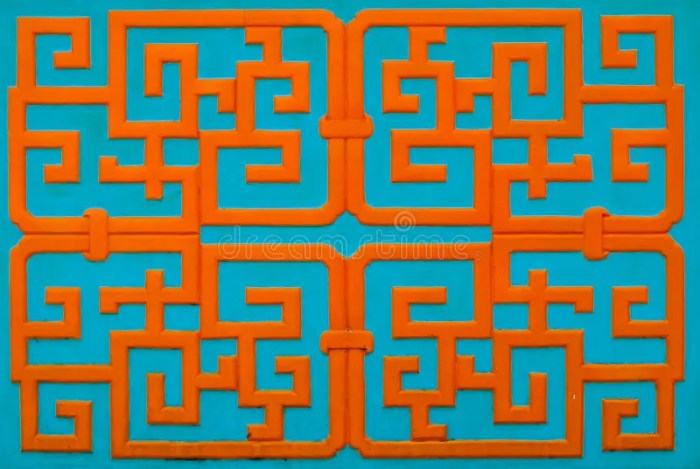
The intricate patterns adorning Chinese floor tiles reflect a deep connection to the nation’s rich artistic heritage. From delicate floral motifs to powerful symbolic representations, these designs serve as visual narratives, conveying cultural values, historical events, and artistic sensibilities. This aesthetic richness underscores the tiles’ function as more than mere floor coverings, transforming them into vibrant expressions of Chinese identity.These patterns, far from being arbitrary decorations, are deeply rooted in the rich tapestry of Chinese art, culture, and history.
They draw inspiration from a multitude of sources, including traditional Chinese painting, calligraphy, and porcelain artistry. The skillful interplay of colors, shapes, and motifs narrates stories, imparts symbolic meanings, and showcases the enduring artistic traditions of China.
Sources of Inspiration
Chinese floor tiles often draw inspiration from nature, with motifs like clouds, bamboo, and flowing water, evoking a sense of serenity and harmony. These natural elements were often imbued with symbolic meanings, representing prosperity, longevity, and good fortune. Moreover, mythological creatures and figures, such as dragons and phoenixes, often appear in tile patterns, signifying power, strength, and auspiciousness.
The meticulous detailing in these patterns reflects the reverence for craftsmanship and artistry in traditional Chinese culture.
Influence of Chinese Art, Culture, and History
The historical and cultural context profoundly shaped the designs. Dynastic periods, like the Ming and Qing, left their distinctive marks on the tile patterns. The Ming dynasty, for instance, favored elaborate floral patterns and intricate designs, while the Qing dynasty introduced a more refined aesthetic, incorporating elements of European design. These shifts mirrored the broader socio-political and artistic trends of the time.
The choice of specific patterns often held cultural significance, with certain motifs associated with particular events, values, or beliefs.
Role of Artisans
The creation of these patterns was not a solitary pursuit; skilled artisans played a pivotal role in shaping the final designs. Their meticulous handwork, honed through generations of tradition, ensured the intricate details and subtle variations in the patterns. The artistry of these artisans infused the tiles with a unique character, turning them into tangible expressions of their skill and dedication.
The specific techniques employed, such as the use of different glazes or the application of intricate motifs, varied among artisans and workshops, resulting in diverse and compelling tile designs.
Connection to Other Chinese Decorative Arts
A clear connection exists between patterned floor tiles and other forms of Chinese decorative arts. The principles of balance, symmetry, and harmonious composition, prevalent in Chinese painting, calligraphy, and porcelain, are echoed in the tile patterns. These decorative arts share a common aesthetic vocabulary, reflecting the interconnectedness of artistic traditions in Chinese culture. For example, the use of auspicious symbols, like the “ruyi” (a symbolic scepter) or the “fu” (good fortune) character, was a common feature in both tiles and other decorative objects.
The shared aesthetic principles demonstrate the deep cultural influence and interconnectedness of artistic expressions in China.
Modern Applications and Trends
Patterned Chinese floor tiles, with their rich history and diverse designs, are experiencing a resurgence in modern applications. Their intricate patterns and vibrant colors are increasingly sought after for their ability to add character and visual interest to both residential and commercial spaces. This resurgence reflects a broader trend in interior design toward incorporating traditional elements into contemporary settings.Beyond mere aesthetics, these tiles offer unique design possibilities, allowing architects and designers to create spaces that are both visually captivating and functional.
Their durability and resistance to wear make them ideal for high-traffic areas, while their intricate patterns add a touch of artistry that elevates the overall ambiance. The contemporary application of these tiles underscores their versatility and adaptability to a wide range of design styles.
Contemporary Uses in Residential Settings
Patterned Chinese floor tiles are finding a prominent place in modern residential interiors. They are particularly well-suited for creating a focal point in a living room, kitchen, or bathroom. The tiles’ intricate patterns can be used to define zones within a room, for example, by using a patterned tile for the kitchen floor and a solid-colored tile for the dining area.
In bathrooms, they can create a sense of luxury and opulence, adding a touch of sophistication and artistry.
Contemporary Uses in Commercial Settings
The appeal of patterned Chinese floor tiles extends to commercial spaces. Retail stores, restaurants, and hotels are increasingly incorporating these tiles to create unique and memorable atmospheres. The visual impact of the tiles can enhance the brand identity and attract customers. For example, a boutique store might use patterned tiles to create a cozy and welcoming atmosphere, while a restaurant could utilize them to establish a distinctive ambiance.
The tiles’ durability and resistance to stains make them suitable for high-traffic areas in these environments.
Current Trends
Several trends are shaping the modern application of patterned Chinese floor tiles. A notable trend is the integration of these tiles with contemporary furniture and décor. This combination creates a harmonious blend of traditional and modern aesthetics. Another trend is the use of these tiles in unexpected ways, such as incorporating them into wall accents or creating intricate mosaic designs.
The customization possibilities are expanding, allowing for bespoke designs that reflect the unique style of a project. This adaptability is a key driver of their increasing popularity.
Innovative Designs
The potential for innovative designs in patterned Chinese floor tiles is vast. One area of exploration is the use of digital printing techniques to create highly detailed and personalized patterns. This approach enables the creation of unique patterns that can be customized to specific project requirements. Another potential area of innovation lies in the development of new materials and finishes for the tiles, allowing for greater color variations and textures.
The possibilities for combining these elements with advanced architectural designs create exciting opportunities for artistic expression. Examples include integrating digital prints with unique glazes, or creating bespoke tile patterns using traditional motifs that are digitally reinterpreted.
Quality and Durability of the Tiles
Patterned Chinese floor tiles, prized for their aesthetic appeal, must also withstand the rigors of daily use. The quality and durability of these tiles directly impact their lifespan and overall value. Factors like manufacturing processes, material composition, and design elements all contribute to the long-term performance of the tiles. Understanding these aspects is crucial for discerning buyers seeking durable and aesthetically pleasing flooring solutions.
Quality Standards for Patterned Tiles
The quality of patterned Chinese floor tiles is often determined by stringent standards, including the composition of the raw materials, the firing process, and the application of glazes. These standards ensure consistency in color, pattern, and overall aesthetic quality. Manufacturers frequently adhere to industry benchmarks to maintain quality and prevent inconsistencies. These rigorous checks, while often not publicly detailed, contribute to the durability and longevity of the finished product.
The quality standards for patterned tiles can vary depending on the specific manufacturer and the type of tile.
Factors Contributing to Durability
Several factors contribute to the durability of patterned Chinese floor tiles. The quality of the raw materials, the manufacturing process, and the application of glazes all play a critical role. High-quality clay, carefully selected and processed, forms the base of the tile, ensuring strength and resistance to chipping or cracking. The firing process, a critical step, determines the tile’s hardness and resistance to abrasion.
Sophisticated firing techniques, often employing high temperatures and controlled atmospheres, can significantly enhance durability. The type and thickness of the glaze also influence durability, with thicker, high-quality glazes providing superior resistance to scratches and staining.
Comparison of Durability Across Tile Types
Different types of patterned Chinese floor tiles exhibit varying degrees of durability. Porcelain tiles, known for their dense structure, are generally more resistant to scratches, stains, and impacts compared to ceramic tiles. However, the precise durability of a particular tile type depends on the specific manufacturing process, the composition of the raw materials, and the design elements. For instance, a porcelain tile with a complex, intricate pattern might have slightly reduced durability in high-traffic areas compared to a simpler design.
This nuance is a key consideration for consumers choosing tiles for high-traffic environments.
Maintenance Requirements
Proper maintenance is essential to preserve the beauty and durability of patterned Chinese floor tiles. Regular cleaning with mild detergents and a soft mop can prevent the buildup of dirt and grime. Avoiding abrasive cleaners or harsh scrubbing methods is crucial to maintain the integrity of the glaze and prevent scratching. Periodic sealing of the tiles, particularly in high-moisture areas, can further enhance their resistance to stains and moisture penetration.
Careful attention to these maintenance practices can extend the lifespan of the tiles significantly.
Sourcing and Availability
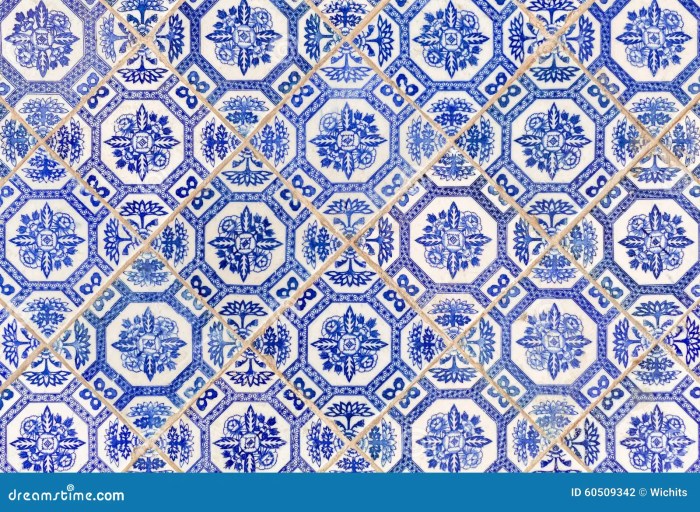
Navigating the market for patterned Chinese floor tiles involves understanding diverse sourcing options and associated costs. The availability of these tiles, from high-end artisanal pieces to mass-produced designs, varies considerably. This necessitates a strategic approach to acquiring the right tiles for a specific project.
Finding Patterned Chinese Floor Tiles
Locating patterned Chinese floor tiles involves exploring a range of channels, from established online retailers to local suppliers. The choice of sourcing method depends on factors like desired tile quality, project timeline, and budget.
Online Retailers
Online marketplaces offer a vast selection of patterned Chinese floor tiles, often with competitive pricing and global shipping capabilities. This accessibility is particularly attractive for large-scale projects or those requiring a wide array of design options. Many platforms offer detailed product specifications, customer reviews, and visual representations, facilitating informed decision-making.
Local Suppliers
Local suppliers, often with physical showrooms, provide the opportunity for hands-on inspection and customization. This direct interaction can be beneficial for projects demanding bespoke designs or precise tile measurements. Local suppliers often have a deeper understanding of local building codes and regulations, which can streamline the procurement process.
Costs Associated with Purchasing
The cost of patterned Chinese floor tiles is influenced by several factors, including the complexity of the design, the manufacturing process, and the material used. High-end, handcrafted tiles will typically command a premium price compared to mass-produced counterparts. Furthermore, import duties and shipping costs can significantly impact the overall price, especially for international purchases.
Comparing Sourcing Options
The following table provides a comparative overview of different sourcing channels for patterned Chinese floor tiles, considering price, quality, and delivery time.
| Source | Price | Quality | Delivery Time |
|---|---|---|---|
| Online Retailer A (e-commerce platform) | Competitive, often lower for large quantities | Generally good quality, but may lack personalized service | Variable, depending on location and shipping options, potentially longer for international orders |
| Local Supplier B (regional tile distributor) | May be higher than online retailers for similar tiles, but often negotiable | High quality, often with options for customization | Shorter, often allowing for faster turnaround times |
| Direct Factory C (China-based manufacturer) | Potentially lowest, but requires careful negotiation and oversight | High quality, with options for customization, often tailored to project specifications | Longer, involving potentially multiple shipping and customs procedures |
| Wholesale Market D (China-based) | Lower than other options, but higher risk in terms of quality control and logistics | Variable quality, dependent on specific vendors | Variable, often longer than local options, dependent on shipping logistics |
Maintenance and Cleaning Procedures
Maintaining the beauty and longevity of patterned Chinese floor tiles requires a diligent approach. Proper cleaning and preventative measures are crucial to preserving the intricate designs and resisting damage from everyday wear and tear. Ignoring these aspects can lead to discoloration, scratching, and premature deterioration of the tiles, potentially requiring costly repairs or replacements.Careful cleaning and preventative maintenance are essential for preserving the aesthetic appeal and structural integrity of patterned Chinese floor tiles.
A proactive approach to cleaning and protection minimizes the risk of damage and extends the lifespan of these intricate surfaces.
Cleaning Solutions and Their Effectiveness
Effective cleaning hinges on the appropriate selection of cleaning solutions and their application methods. Different solutions address varying levels of soiling and the specific characteristics of the patterned tile. Choosing the right method is paramount to avoiding damage and preserving the beauty of the tiles.
| Solution | Application Method | Pros | Cons |
|---|---|---|---|
| Mild Dish Soap Solution | Mix a small amount of dish soap with warm water. Apply with a soft mop or sponge. | Effective for everyday cleaning, relatively inexpensive, gentle on most tile types. | May not be effective for heavy soiling, potentially leaving residue if not rinsed thoroughly. |
| Commercial Tile Cleaner | Follow product instructions carefully. Apply with a mop or spray bottle. | Specifically formulated for tile cleaning, often effective for various types of dirt and stains. | May contain harsh chemicals that can damage certain sealants or finishes, or irritate sensitive skin. Always test in an inconspicuous area first. |
| White Vinegar Solution | Mix equal parts white vinegar and warm water. Apply with a mop or spray bottle. | Effective at removing stubborn stains and grime, inexpensive. | Can be abrasive if not diluted properly, potentially damage some finishes if left on for prolonged periods. May have a strong odor. |
| Baking Soda Paste | Mix baking soda with a small amount of water to create a paste. Apply to stained areas, scrub gently with a soft brush, and rinse. | Excellent for removing stubborn stains, gentle on most surfaces. | May scratch tiles if too abrasive a brush is used. Can leave residue if not rinsed thoroughly. |
Preventing Damage to Patterned Tiles
Protecting patterned Chinese floor tiles from damage is vital for preserving their beauty and longevity. These measures should be implemented as part of regular maintenance.
- Use Soft Cleaning Tools: Employ soft mops, sponges, and cloths to avoid scratching the delicate patterns. Avoid abrasive scrubbers or harsh brushes.
- Regular Cleaning: Frequent, gentle cleaning prevents the build-up of dirt and grime that can lead to staining and damage.
- Protection During Construction or Renovation: Cover tiles during construction or renovation activities to prevent accidental damage from tools, debris, or heavy foot traffic.
- Appropriate Footwear: Encourage the use of soft-soled shoes within the area to minimize abrasion on the tile surfaces.
Best Practices for Maintaining Tiles
Implementing best practices is crucial for maintaining the integrity of patterned Chinese floor tiles. Consistency in these practices minimizes the risk of damage.
- Addressing Spills Immediately: Promptly clean up any spills or liquids to prevent staining and damage to the grout lines.
- Avoid Harsh Chemicals: Use cleaning solutions that are specifically formulated for tile surfaces to prevent damage to the sealants or finishes. Always test in a concealed area first.
- Preventing Water Damage: Proper drainage and sealing are critical in preventing water damage, especially around sinks and bathtubs.
- Regular Inspection: Conduct regular visual inspections for any signs of damage, such as cracks, chips, or discoloration.
Historical Context and Cultural Significance
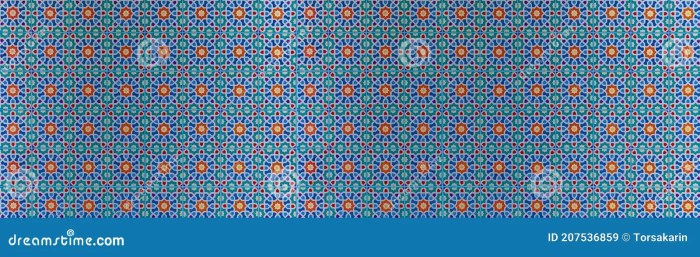
Patterned Chinese floor tiles, a testament to the nation’s artistic and technical prowess, hold a profound historical and cultural significance. Their evolution reflects changing aesthetics, societal values, and economic forces throughout Chinese history. From humble beginnings to elaborate masterpieces, these tiles offer a captivating glimpse into the past.The production and use of patterned floor tiles in China are deeply interwoven with the nation’s rich cultural heritage, reflecting societal values and artistic traditions.
Their patterns, motifs, and colors frequently conveyed specific meanings, status, or even philosophical ideals, making them more than just functional floor coverings.
Historical Timeline of Patterned Chinese Floor Tiles
The history of patterned Chinese floor tiles is a rich tapestry woven from various historical periods. Each era saw unique artistic expressions and manufacturing techniques.
- Pre-Tang Dynasty (Before 618 AD): Early examples of tile use in China, while not always patterned, demonstrate the foundation for future development. Simple, utilitarian designs were common, often reflecting the limitations of available technology. The use of fired clay in construction predates the elaborate patterns found in later periods.
- Tang Dynasty (618-907 AD): This era saw a flourishing of artistic expression. Influences from other cultures, particularly Central Asia, are evident in the evolving tile designs. More complex patterns, often with floral motifs and geometric shapes, started to emerge, signifying a shift towards decorative artistry. Improved firing techniques and availability of materials allowed for a broader range of designs and colors.
- Song Dynasty (960-1279 AD): The Song Dynasty is noted for its refined aesthetic sensibility. Patterned floor tiles became more elaborate, incorporating intricate details and often displaying a strong emphasis on symmetry. The use of underglaze techniques, which allowed for a variety of color combinations and subtle designs, became more prominent, adding another dimension to the art form.
- Ming Dynasty (1368-1644 AD): This period saw a return to traditional Chinese aesthetic principles, and patterned floor tiles reflected these influences. Bold colors, elaborate floral patterns, and the use of cobalt blue, a hallmark of the era, were key features. Tile production became more centralized and standardized, resulting in greater consistency in quality and design.
- Qing Dynasty (1644-1912 AD): The Qing Dynasty saw the continuation of the Ming Dynasty’s artistic traditions. However, the influx of Western ideas and technologies brought new perspectives and influences to Chinese art. This resulted in a fusion of traditional motifs with more modern influences, as evidenced in the design of the tiles.
- Modern Era (20th Century Onwards): Modern Chinese tile production builds upon a rich heritage, adapting traditional techniques and designs to contemporary aesthetics. The demand for patterned tiles increased with the rise of architectural design and the desire for unique interior finishes. Contemporary designers often draw inspiration from historical patterns, reinterpreting them for modern settings.
Social and Economic Factors Influencing Production
The production of patterned Chinese floor tiles was profoundly shaped by social and economic forces.
- Patronage and Royal Influence: During various dynasties, royal patronage significantly influenced tile production. Demand for elaborate and exquisite tiles for imperial palaces and other official buildings drove innovation and sophistication in design and craftsmanship. This patronage often established standards for quality and aesthetic excellence, setting a precedent for subsequent generations.
- Artisan Skill and Guilds: The production of patterned tiles relied heavily on the specialized skills of artisans and the organization of guilds. These guilds controlled the transmission of knowledge and techniques, often ensuring a degree of standardization and quality in the production process. Their presence significantly influenced the production scale and the overall artistry of the tiles.
- Trade and Commerce: Trade routes and commerce played a critical role in the exchange of ideas and materials, influencing the design and production of patterned floor tiles. The movement of goods and knowledge from different regions across Asia and beyond brought new patterns, motifs, and techniques into Chinese artistic traditions, enriching the designs.
Cultural Significance of Patterned Floor Tiles
Patterned floor tiles in China weren’t simply decorative elements. They often conveyed cultural meanings and social status.
- Symbolic Meanings of Motifs: The intricate patterns and motifs often held symbolic meaning, reflecting philosophical concepts, historical events, or religious beliefs. Certain patterns, like dragons or phoenixes, might symbolize power, prosperity, or good fortune. This symbolic richness added depth and significance to the tiles beyond their purely aesthetic appeal.
- Social Status and Wealth: The quality and complexity of the tiles often correlated with the social status and wealth of the owner. The use of high-quality materials, intricate designs, and elaborate patterns served as a visual indicator of social standing. This practice reflects the widespread cultural tendency to use decorative elements to signal social position.
- Preservation of Traditions: Patterned floor tiles have played a crucial role in preserving and transmitting Chinese artistic traditions. Through meticulous craftsmanship and the careful documentation of designs, these tiles have become tangible embodiments of artistic heritage, providing valuable insights into the aesthetics and values of past generations.
Visual Representation of Different Patterns
Chinese floor tiles boast a rich tapestry of patterns, reflecting centuries of artistic evolution and cultural significance. From intricate floral motifs to symbolic representations, these patterns tell stories of craftsmanship, history, and aesthetics. The visual representation of these patterns is key to understanding the diverse offerings and the artistry behind each unique design.
Tile Type Classification
Categorizing Chinese floor tiles by type provides a framework for understanding their varied characteristics. This structured approach allows for a comprehensive overview of the diverse options available.
| Tile Type | Pattern | Color Palette | Material |
|---|---|---|---|
| Imperial Dragon | Elaborate dragon motifs with auspicious symbols | Rich reds, golds, blues, and greens | Porcelain, ceramic |
| Floral Medallion | Symmetrical floral arrangements within medallions | Various color combinations, often pastels or jewel tones | Ceramic, porcelain, or glazed terracotta |
| Geometric Lattice | Intricate geometric patterns like squares, diamonds, or triangles | Monochromatic or contrasting colors | Ceramic, porcelain |
| Phoenix and Cloud | Elegant phoenix birds and swirling clouds | Soft pinks, blues, and creams | Ceramic, porcelain |
Detailed Descriptions of Specific Patterns
These descriptions delve into the nuances of specific patterns, providing a deeper understanding of the artistry and symbolism behind each design.
The “Imperial Dragon” pattern typically features stylized dragons, often with elaborate scales and intricate details. These dragons are frequently depicted in a dynamic posture, symbolizing power and good fortune. The color palette is rich and vibrant, often incorporating reds, golds, blues, and greens, reflecting the opulence associated with imperial courts.
The “Floral Medallion” pattern showcases symmetrical floral arrangements within circular or square medallions. The intricate detailing of flowers, leaves, and vines creates a sense of visual harmony and elegance. Color palettes range widely, from pastel shades to bold jewel tones, adding to the overall aesthetic appeal. The delicate interplay of colors and patterns creates a sense of visual rhythm and balance.
The “Geometric Lattice” pattern features repeating geometric shapes, such as squares, diamonds, or triangles. These patterns are often arranged in a grid-like structure, creating a sense of order and structure. Monochromatic color schemes, or contrasting colors, are frequently employed to accentuate the pattern’s geometric integrity. The clean lines and precise angles of these patterns give a sense of formality and sophistication.
The “Phoenix and Cloud” pattern incorporates elegant phoenix birds and swirling clouds. Phoenixes, a symbol of beauty and grace, are often depicted in elaborate detail, showcasing intricate plumage and flowing postures. The clouds, often depicted in swirling or dynamic forms, represent the celestial realm. Soft color palettes, often featuring pinks, blues, and creams, add to the pattern’s refined aesthetic.
The gentle curves and harmonious color schemes of this pattern evoke a sense of serenity and tranquility.
Decorative Elements and Symbolic Representations
Various decorative elements contribute to the overall aesthetic appeal and symbolic significance of the tiles.
- Intricate Designs: Intricate details, such as fine lines, detailed carvings, and subtle shading, add depth and complexity to the patterns. The level of detail reflects the skill and dedication of the artisans who created them.
- Colors: Color choices play a significant role in conveying symbolic meanings and aesthetic impact. Rich reds might signify prosperity, while blues might represent the heavens. A harmonious color palette creates a visually appealing and emotionally evocative design.
- Symbols: Many patterns incorporate symbols with specific cultural or historical meanings. Dragons represent power and good fortune, phoenixes symbolize beauty and grace, and clouds often represent the heavens. These symbols add depth and cultural context to the tiles.
Tile Surface Textures and Characteristics
The texture and surface characteristics of the tiles contribute to their visual appeal and durability.
- Glazed Surfaces: Glazed surfaces provide a smooth, polished finish, reflecting light and adding a glossy sheen to the tiles. The glaze can also impart a range of colors and textures to the tiles.
- Unglazed Surfaces: Unglazed surfaces offer a matte finish, providing a more rustic and natural look. The porous nature of unglazed surfaces may also lend itself to more muted colors and subtle patterns.
- Porosity: Porosity varies depending on the material and manufacturing process. Porcelain tiles are generally less porous than ceramic tiles, offering greater durability and resistance to staining.
Final Summary
In conclusion, patterned Chinese floor tiles represent a powerful fusion of artistry and tradition. Their enduring appeal lies in the meticulous craftsmanship, the rich symbolism, and the ability to seamlessly integrate with both historic and contemporary aesthetics. From sourcing and maintenance to design inspiration, this comprehensive overview provides a deep understanding of these remarkable floor coverings, ensuring that their timeless charm will continue to inspire for generations to come.