
Indonesian style rustic wall clocks, crafted from exquisite wood, are more than just timepieces; they’re captivating statements of cultural heritage and artistic skill. This guide delves into the nuances of Indonesian rustic design, exploring the ideal wood types, design variations, and crafting techniques to create a truly unique and enduring timepiece.
From the aesthetic characteristics of Indonesian rustic style to the meticulous selection of wood, this comprehensive exploration guides readers through the entire process of designing, crafting, and appreciating these beautiful timepieces. The guide also considers the practical aspects, such as functionality and maintenance, for long-lasting enjoyment.
Defining Indonesian Rustic Style
Indonesian rustic style draws inspiration from the nation’s rich cultural heritage and natural environment. This aesthetic embraces the warmth and authenticity of traditional Indonesian craftsmanship, seamlessly blending it with contemporary sensibilities. It’s characterized by a harmonious interplay of natural materials, earthy tones, and intricate details, creating a space that feels both inviting and deeply rooted in Indonesian identity.Indonesian rustic style is a distinct departure from the overly stylized or overtly modern.
It prioritizes a natural, unpretentious beauty, celebrating the inherent charm of local materials and techniques. The style is not merely a collection of design elements but a reflection of a profound connection to Indonesian history, culture, and the surrounding landscape.
Aesthetic Characteristics
Indonesian rustic style prioritizes a warm and welcoming ambiance. The aesthetic is defined by a relaxed atmosphere, achieved through the use of natural light, uncluttered spaces, and comfortable furniture. The style values a sense of history and tradition, evident in the use of aged materials and handcrafted details. The use of natural textures and organic shapes adds a touch of rustic charm.
Design Elements
This style frequently incorporates traditional Indonesian motifs, such as floral patterns or geometric shapes, subtly woven into textiles or wall decor. Hand-carved wooden furniture, often featuring intricate details and natural wood tones, is a key component. For example, antique chests or low tables crafted from teak or other local hardwoods are common features. Traditional woven fabrics, such as batik or ikat, can be used as upholstery, curtains, or wall hangings, adding a touch of cultural richness.
The presence of natural elements, like exposed beams or handcrafted pottery, reinforces the rustic charm.
Cultural and Historical Influences
The style draws heavily on Indonesia’s diverse cultural tapestry and rich history. From the meticulous craftsmanship of traditional Javanese furniture to the vibrant artistry of Balinese carvings, Indonesian rustic design echoes the enduring spirit of the archipelago. The style’s focus on natural materials reflects Indonesia’s deep connection to the environment, as evidenced by the use of locally sourced timber and natural dyes.
The incorporation of traditional motifs underscores the profound influence of Indonesian cultural heritage on the aesthetic. For instance, the use of intricate carvings often mirrors traditional storytelling or spiritual symbolism.
Color Palettes
Indonesian rustic design often employs a palette of earthy tones. Natural wood finishes, warm browns, deep greens, and muted terracotta colors are common. The use of these colors creates a sense of comfort and connection to nature. Variations in shades within these colors, achieved through natural weathering or aging, further enhance the style’s authenticity. For instance, weathered teak wood displays a unique range of warm brown tones that contribute to the overall rustic aesthetic.
Materials
Indonesian rustic style emphasizes the use of natural materials. Teak, mahogany, and other locally sourced hardwoods are frequently used for furniture and architectural elements. These materials are known for their durability and natural beauty, reflecting a sustainable approach to design. Traditional weaving techniques, such as ikat and batik, are also crucial elements, providing rich textures and vibrant colors.
Local stones, such as those used in traditional Indonesian architecture, are also occasionally incorporated into the design. The use of natural materials, like rattan and bamboo, for furniture and decor complements the overall rustic theme.
Wood Types for Rustic Clocks
Indonesian rustic wall clocks, with their warm, earthy tones and handcrafted appeal, often feature a variety of wood types. Selecting the right wood is crucial for achieving the desired aesthetic and ensuring the clock’s longevity. The choice of wood directly impacts the clock’s visual character and overall durability.Choosing the appropriate wood type involves a consideration of both aesthetic qualities and practical factors.
Factors such as the wood’s grain patterns, natural color variations, and resistance to moisture and wear play a significant role in determining the clock’s suitability for a rustic aesthetic and its long-term performance. Cost-effectiveness is also a key consideration, as different wood types vary considerably in price.
Wood Types and Their Properties
Selecting the correct wood type for a rustic wall clock is paramount. Different woods exhibit distinct properties that affect both the visual appeal and functional aspects of the clock.
- Teak: Known for its rich, golden brown tones and remarkable durability, teak is an excellent choice for rustic clocks. Its natural oils provide inherent resistance to moisture and decay, making it ideal for outdoor use or high-humidity environments. Teak’s ability to weather gracefully adds to its rustic charm. Examples include Indonesian teak, known for its strength and beautiful grain patterns.
- Mahogany: Mahogany offers a warm, reddish-brown hue, adding a distinct character to the clock’s aesthetic. Its dense structure provides excellent strength and stability. However, mahogany is more susceptible to moisture damage compared to teak. Proper sealing and finishing are essential for ensuring its longevity.
- Jatoba: This hardwood boasts a rich, dark brown color and exceptional hardness, making it resistant to scratches and dents. Jatoba is a strong contender for its durability and aesthetic appeal, though it often commands a higher price point than other options.
- Ipe: Ipe wood is known for its deep reddish-brown color and extraordinary durability. Its resistance to rot, insects, and weathering makes it suitable for harsh environments. This makes it an excellent choice for outdoor rustic clocks, particularly in regions with high humidity or rainfall. Its cost is generally higher than other options due to its rarity.
- Merbau: Merbau wood displays a striking reddish-brown to dark brown coloration and demonstrates high resistance to moisture and decay. It exhibits excellent durability, making it a suitable choice for rustic clocks. Its availability and price point make it a competitive option for those seeking a balance between aesthetic appeal and affordability.
Cost-Effectiveness Analysis
The cost of wood varies significantly based on factors like availability, processing, and demand. Understanding these cost variations is essential for budget-conscious projects.
| Wood Type | Characteristics | Suitability for Rustic Clocks | Cost-Effectiveness |
|---|---|---|---|
| Teak | Rich brown, highly durable, resistant to moisture | Excellent | Moderate |
| Mahogany | Warm reddish-brown, strong and stable | Good | Moderate |
| Jatoba | Dark brown, extremely hard, resistant to scratches | Excellent | High |
| Ipe | Deep reddish-brown, exceptional durability, resistant to rot and insects | Excellent (for outdoor use) | High |
| Merbau | Reddish-brown to dark brown, resistant to moisture and decay | Good | Moderate |
Design Variations for Rustic Clocks
Indonesian rustic style wall clocks, drawing inspiration from traditional craftsmanship and natural materials, offer a wealth of design possibilities. These clocks transcend mere timekeeping; they become statement pieces, harmonizing with the aesthetic of a home, a shop, or an office, reflecting the deep connection to nature and heritage. This approach to design transcends a mere functional need to display the time; it becomes a reflection of the owner’s cultural identity and appreciation for handcrafted beauty.Beyond the fundamental choice of wood type, the design variations of Indonesian rustic clocks allow for a myriad of expressions.
Careful consideration of the clock face, hands, and overall size, combined with thoughtful integration of natural elements, creates a truly unique and impactful piece.
Clock Face Styles
The clock face is the heart of the clock, acting as a focal point within the rustic setting. Different styles cater to diverse aesthetic preferences.
| Style | Description | Example |
|---|---|---|
| Simple | Clean lines, minimalist design, often with a muted color palette, allowing the natural wood grain to take center stage. | A classic round face with Arabic numerals, or a similar style using Roman numerals. |
| Ornate | Intricate details, decorative patterns, and sometimes inlaid accents, evoking a sense of elaborate craftsmanship. | A clock face with carved patterns, perhaps with hand-painted designs, or inlaid with mother-of-pearl. |
| Patterned | Employing natural patterns, like woven rattan or batik motifs, or geometric shapes. | A clock face with a rattan-like pattern, or one incorporating batik motifs in the design. |
Clock Hands and Movement Styles
Clock hands and movements contribute significantly to the overall aesthetic and functionality of the clock. Choosing the right style is crucial for complementing the rustic charm.The choice of clock hands is vital. Simple, slightly tapered wooden hands are a classic choice. Alternatively, more ornate hands, with intricate carvings or decorative embellishments, can elevate the clock’s artistic appeal.
For a more contemporary touch, consider metal hands with subtle detailing, while still maintaining the rustic theme.Different movement styles offer varying degrees of subtlety and sophistication. A classic, visible pendulum movement could complement the ornate design, while a more modern, silent quartz movement would suit a minimalist aesthetic. The choice depends on the desired atmosphere and level of visual impact.
Clock Size and Placement Options
The size and placement of the clock directly influence its impact on the surrounding environment. A larger clock acts as a focal point, whereas a smaller one might complement a smaller area.Placement considerations include the desired visual emphasis. A large clock, ideally placed on a prominent wall, can serve as a statement piece. Conversely, smaller clocks can be grouped on a mantelpiece or clustered on a wall, contributing a touch of visual interest to the surrounding space.
Proper sizing and placement enhance the overall aesthetic, adding a touch of personality and visual balance to a room.
Incorporating Natural Elements
Rustic design often emphasizes natural elements. This approach is readily adaptable to clock design.Clock faces can be crafted with natural materials like bamboo or rattan, adding a distinct texture and visual appeal. Natural wood finishes, such as raw, untreated wood, or stained to evoke the warm tones of aged timber, can be used to complement the overall rustic theme.
Natural elements such as carved leaves or branches, integrated into the clock’s design, create a cohesive connection with the surrounding environment.
Crafting Techniques for Rustic Clocks
Indonesian rustic wall clocks, with their inherent warmth and handcrafted charm, owe their unique character to meticulous craftsmanship. These clocks are more than mere timekeeping devices; they’re testaments to the enduring traditions of Indonesian artistry. The careful selection of wood, the intricate carving techniques, and the masterful assembly of the clock mechanism all contribute to the final aesthetic.Traditional Indonesian wood carving techniques, often passed down through generations, are pivotal to the rustic clock’s appeal.
These methods emphasize organic shapes and a natural finish, highlighting the wood’s inherent beauty rather than obscuring it with elaborate designs. The process involves meticulous attention to detail, from initial shaping to final polishing. The choice of wood directly impacts the clock’s overall aesthetic and longevity.
Traditional Indonesian Wood Carving Techniques
Indonesian wood carving techniques, deeply rooted in cultural heritage, often involve the use of hand tools. Common tools include chisels, gouges, and knives, each employed for specific tasks. These tools are carefully selected and honed to create precise cuts and intricate patterns. Techniques like relief carving, where designs are carved into the surface of the wood, are often used to create decorative elements around the clock face.
Furthermore, carving styles are tailored to accentuate the natural grain and texture of the chosen wood.
Assembly and Attachment of Clock Mechanisms
The meticulous assembly of the clock mechanism is crucial to ensure its longevity and accurate timekeeping. A sturdy and stable framework is essential to support the weight of the clock mechanism. Traditional Indonesian clockmakers carefully select the appropriate wood for the clock’s frame to ensure structural integrity. Precise mortise and tenon joints are commonly used for assembling the frame, ensuring a secure and visually appealing connection between the different components.
Traditional techniques are crucial for a clock that functions flawlessly for years.
Steps in Crafting a Rustic Indonesian Wall Clock
- Choosing the appropriate wood: The selection of wood for the clock’s frame is vital, considering factors such as durability, grain pattern, and overall aesthetic. Hardwoods like teak, mahogany, or ironwood are favored for their strength and beauty.
- Preparing the wood: The chosen wood is carefully prepared through shaping, smoothing, and possibly seasoning to achieve the desired form and dimensions for the clock’s frame. The process may involve sanding, planing, and other procedures.
- Carving the frame: Traditional Indonesian wood carving techniques are employed to add intricate designs and decorative elements to the clock’s frame, emphasizing the natural beauty of the wood.
- Assembling the frame: The different components of the clock’s frame are precisely fitted together using mortise and tenon joints, ensuring stability and structural integrity.
- Installing the clock mechanism: The clock mechanism is carefully mounted onto the prepared frame, ensuring proper alignment and support. This involves specialized tools and a deep understanding of the clock’s mechanics.
- Finishing the clock: A natural or rustic finish is applied to the wooden components to enhance the wood’s natural beauty and protect it from the elements. This may involve waxing or oiling to create an aged or weathered appearance.
Finishing Techniques for a Rustic Look
A rustic finish emphasizes the natural beauty of the wood. This involves minimizing the use of paint or varnish, instead highlighting the wood’s natural grain and texture. Oils and waxes are frequently used, creating a protective layer while showcasing the wood’s natural characteristics. The choice of finish will significantly impact the overall aesthetic, and a skilled craftsman will choose a finish appropriate to the wood type and desired aesthetic.
Creating an Aged or Weathered Appearance
The creation of an aged or weathered appearance is often achieved through a combination of techniques. A common method is to apply a natural finish to the wood and then lightly distress the surface. This could involve gently sanding certain areas to reveal the underlying wood or using specialized tools to create subtle imperfections. Furthermore, some artisans employ a combination of weathering effects like light staining and deliberate abrasions to achieve a truly antique appearance.
The final outcome depends on the craftsman’s skill and the desired level of weathering.
Clock Face Designs
Indonesian rustic wall clocks, with their emphasis on natural materials and traditional motifs, offer a unique canvas for artistic expression on the clock face. The designs should complement the overall aesthetic, showcasing the craftsmanship and cultural heritage of Indonesia. This involves careful consideration of patterns, materials, and typography to create a cohesive and visually appealing final product.The clock face serves as a focal point, a miniature narrative within the larger piece.
Thoughtful selection of patterns and materials, combined with appropriate typography, will create a strong visual impact that reflects the intended rustic style.
Different Styles of Clock Faces Using Indonesian Patterns
Indonesian art boasts a rich tapestry of patterns and motifs, providing numerous options for clock face designs. These designs should seamlessly blend traditional Indonesian aesthetics with the functionality of a clock. Geometric patterns, often found in batik and wayang, can create striking visual interest. Floral motifs, inspired by traditional Indonesian flora, add a touch of natural beauty.
Table of Indonesian Motifs for Clock Faces
| Motif | Description | Visual Impact |
|---|---|---|
| Batik | Geometric and floral patterns, often incorporating intricate details and vibrant colors. | Visually rich, can be stylized to be subtle or bold. |
| Wayang | Shadow puppet figures, representing characters and narratives from Javanese mythology. | Creates a strong cultural narrative, but may require more artistic skill for execution. |
| Floral | Representing local Indonesian flora and fauna. | Natural, delicate, or bold, depending on the chosen elements. |
| Geometric | Repeating patterns and shapes like stars, spirals, or chevrons. | Modern and minimalist, can add an element of elegance. |
Natural Elements and Materials
The use of natural elements is key to the rustic style. Clock faces can incorporate carved wood inlays, representing local trees, or even small, carefully arranged stones. The use of leaves, pressed and preserved, can create a unique and natural touch. For example, a clock face could incorporate a leaf-like pattern, carved into the wood surrounding the clock face.
This adds texture and depth, tying the clock’s design to the Indonesian landscape.
Hand-Painted or Stained Designs
Hand-painted designs can offer a personalized touch. Traditional Indonesian colors, such as earthy tones and rich jewel tones, can create a visually striking clock face. These can draw inspiration from batik designs or other traditional Indonesian art forms. Stained wood can also be used to create intricate patterns, complementing the overall rustic look. For example, a clock face could use a deep mahogany stain for the background, then a lighter stain for geometric patterns, mimicking batik.
Typography for Rustic Style
Typography plays a crucial role in maintaining the rustic aesthetic. Choose a font that is both legible and visually harmonious with the overall design. A hand-lettered or a vintage-inspired font will be more suitable than a modern, sans-serif font. For example, a bold, serif font that evokes a traditional Indonesian script could work well. Consider the size of the numerals, ensuring they are easily readable against the background and patterns.
Clock Hand Styles
The aesthetic of a rustic wall clock hinges significantly on the clock hands. They’re a critical design element that can either elevate or detract from the overall rustic appeal. Selecting the right style and material for the hands is paramount to achieving a harmonious and visually engaging timepiece.Choosing the right clock hands is essential for creating a cohesive and visually appealing rustic design.
Their material, style, and intricacy contribute to the overall charm of the clock. The clock hands act as a crucial focal point, drawing attention and complementing the rustic wood grain and other design elements.
Clock Hand Material Considerations
The choice of material for clock hands profoundly impacts the clock’s rustic character. Wood, with its natural variations in grain and color, is a popular choice. It embodies the rustic aesthetic, particularly when matched with a wooden clock face. Metal hands, particularly aged brass or iron, add a touch of industrial chic to a rustic design, creating a compelling contrast.
These metal hands are often more durable than wood, which is beneficial for long-term use.
Hand Styles and Designs
Rustic clock hands offer a diverse range of styles, each contributing to a unique aesthetic. Simple, straight hands exude a classic charm, blending seamlessly with a variety of rustic designs. More elaborate designs, featuring intricate carvings or textures, can add a touch of artistry and sophistication.
Examples of Intricate Clock Hand Designs
Many rustic clocks feature clock hands with intricate detailing, enhancing the aesthetic value of the piece. One example is a clock with hands shaped like stylized branches or leaves, crafted from dark stained wood. Another style might showcase clock hands with delicate, hammered metal accents, reflecting light beautifully. These details create visual interest and contribute to the overall charm of the rustic clock.
Comparison Table of Clock Hand Styles
| Style | Material | Aesthetic Value | Examples |
|---|---|---|---|
| Simple Straight | Wood or Metal | Classic, timeless | Common on many farmhouse-style clocks. |
| Curved | Wood | Soft, flowing aesthetic | Adds a subtle elegance, especially with intricate wood grains. |
| Branch/Leaf Design | Wood | Natural, organic feel | Adds character, complements the rustic theme. |
| Hammered Metal | Metal (brass, iron) | Industrial, rustic | Provides a contrast to wood, adding a unique character. |
Choosing Clock Hands to Complement the Design
Matching clock hands to the overall clock design is critical. A rustic clock with a weathered wood face would benefit from similarly styled, perhaps slightly distressed, wooden hands. If the clock features a more industrial or farmhouse aesthetic, then metal hands in an aged finish would work effectively. Consider the color and texture of the wood, and the overall design elements of the clock.
The hands should enhance the visual appeal and complement the existing aesthetic of the clock, rather than clashing with it.
Rustic Wall Clock Accessories
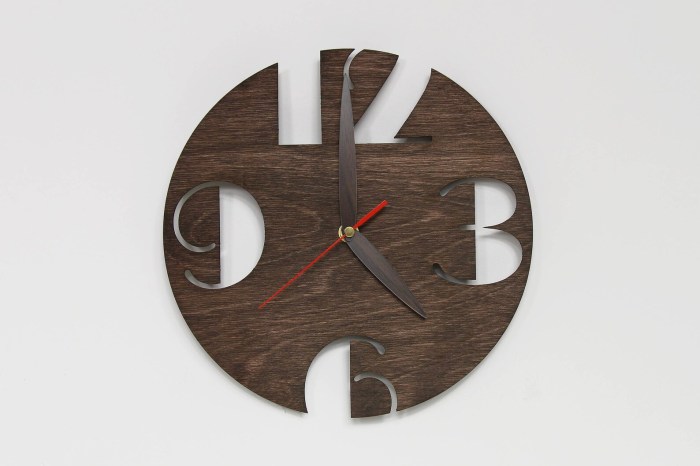
Beyond the core components of a rustic wall clock, thoughtful accessories can elevate its aesthetic and functional appeal. These additions can transform a simple timepiece into a focal point, reflecting the warmth and character of Indonesian design. The right accessories can tie the clock into the overall decor, adding depth and visual interest.The key is to harmonize the accessories with the clock’s existing design elements.
Natural materials like wood, rattan, and stone are ideal for complementing the rustic aesthetic, while warm lighting can draw attention to the clock’s intricate details. By strategically incorporating these elements, the clock becomes more than just a functional piece; it becomes a decorative statement.
Decorative Elements for Enhanced Aesthetics
Strategic placement of decorative elements is crucial to enhancing the clock’s visual impact. Adding items like small, handcrafted ceramic bowls, woven baskets, or framed botanical prints can provide a cohesive theme while maintaining the rustic charm. These elements contribute to a holistic, inviting atmosphere. Textiles such as handwoven tapestries or blankets can also play a vital role, adding texture and warmth to the surrounding space.
Showcasing Natural Elements
Natural elements like plants and flowers can bring a touch of life and freshness to a rustic wall clock display. Consider using low-maintenance, air-purifying plants, such as snake plants or ZZ plants, to create a living backdrop. Arrange potted plants or flowers in varying heights and sizes around the clock to add depth and visual interest. The vibrant hues of flowers can complement the natural tones of the wood, creating a visually pleasing contrast.
For example, a small collection of potted succulents can be arranged in a cluster near the clock, adding a touch of modern Indonesian flair.
Complementary Accessories Table
| Accessory Category | Example Items | Design Considerations ||—|—|—|| Plants & Flowers | Potted succulents, air plants, small bonsai trees | Choose low-maintenance plants suited for indoor environments. Consider arranging plants in varying heights and sizes to add visual depth. || Textiles | Woven tapestries, handmade blankets, macrame wall hangings | Choose textures and colors that complement the clock’s wood tones and the overall room design.
|| Ceramic & Metalware | Small ceramic bowls, rustic metal trays, handcrafted pottery | Select items with simple, uncluttered designs that harmonize with the clock’s aesthetic. || Wall Decor | Framed botanical prints, nature-inspired wall art, handcrafted wooden signs | Choose pieces that share a color palette or theme with the clock and surrounding decor. |
Lighting Strategies for Highlighting Features
Strategic lighting can significantly enhance the rustic wall clock’s features. Soft, warm-toned lighting, such as LED string lights or wall sconces, can highlight the clock’s intricate details and the natural textures of the wood. Position the light source to emphasize the grain of the wood and the overall shape of the clock. Avoid harsh or overly bright lights that might wash out the subtle details of the clock’s design.
For example, ambient lighting can be strategically placed to cast soft shadows on the clock, adding a dramatic effect.
Using Complementary Items Around the Clock
Shelves placed strategically around the clock can serve as display platforms for complementary items. Display books, decorative objects, or other natural elements to create a cohesive aesthetic. Ensure the chosen items are in harmony with the clock’s rustic design. For instance, a small wooden shelf holding a collection of handcrafted Indonesian pottery or a stack of weathered books could create a focal point near the clock, reflecting the rustic charm.
Wall-mounted decor items, such as woven baskets or macrame wall hangings, can add a layer of visual interest and complement the overall aesthetic.
Functionality and Practicality
A rustic Indonesian wall clock, beyond its aesthetic appeal, must prioritize functionality. Its practical use within a home, and its ability to withstand the elements of a traditional Indonesian environment, are crucial considerations. The design should seamlessly integrate into the overall ambiance, not just as a decorative element, but as a dependable timekeeping tool.Clock mechanisms are the heart of any timepiece.
A reliable and durable movement ensures the clock remains accurate and useful for years. Selecting a high-quality mechanism, appropriate for the clock’s size and intended use, is paramount.
Choosing a Reliable Clock Mechanism
A rustic clock’s mechanism must be sturdy enough to endure the inherent wear and tear of a traditional home. This often translates to a robust, well-engineered movement that is not overly complex. Quartz movements are a popular choice for their accuracy and low maintenance, especially for smaller to medium-sized clocks. For larger clocks, a reliable, high-quality, and robust pendulum-based mechanism might be more suitable, though less common in modern rustic styles.
Ensuring Durability
The clock’s materials must resist the effects of humidity and temperature fluctuations common in Indonesian homes. Wood types such as teak or ironwood, known for their natural resistance to moisture and decay, are excellent choices for the clock’s casing. Similarly, the clock’s glass or acrylic face should be shatter-resistant, ensuring long-term clarity and readability.
Maintaining and Cleaning the Clock
Regular maintenance is essential to prolong the life of a rustic wall clock. Dust accumulation should be addressed with gentle, dry cleaning methods. A soft cloth or brush is often sufficient. Periodic lubrication of the clock’s movement (if applicable) is crucial for maintaining its accuracy and smooth operation.
Practical Use in a Rustic Setting
A functional rustic wall clock serves more than just a decorative purpose. It provides a consistent, dependable way to measure time in a space often defined by natural rhythms and routines. In a traditional Indonesian setting, this might mean knowing when to prepare meals, or when to start work in the fields. A functional timepiece, therefore, is an important practical tool.
Marketing and Selling Points
Indonesian rustic wall clocks, handcrafted with meticulous attention to detail, present a compelling opportunity for unique home decor. These pieces offer a distinctive blend of tradition and modern aesthetics, appealing to a specific segment of the market. Their handcrafted nature adds value and differentiates them from mass-produced alternatives.Crafting a successful marketing strategy for these clocks requires understanding the target audience, pricing model, and promotional channels that resonate with potential buyers.
The handcrafted nature of the clocks lends itself to a premium pricing strategy, allowing the brand to highlight the unique artistry and craftsmanship.
Target Audience
The ideal customer for Indonesian rustic wall clocks is a discerning home décor enthusiast who appreciates handcrafted items. This segment values quality, authenticity, and unique designs. They often seek pieces that reflect a sense of place and heritage, aligning with the rustic aesthetic. Demographic factors such as age, income, and lifestyle preferences will influence marketing strategies. For example, affluent young professionals and mid-to-upper-middle-class families who embrace contemporary designs with a touch of rustic charm are likely prospects.
Potential Market for Unique Handcrafted Items
The market for unique handcrafted items, including rustic clocks, is expanding. Consumers are increasingly seeking bespoke items that stand out from the crowd. The rising popularity of artisanal products and a growing demand for personalized home décor creates a favorable environment for these handcrafted clocks. This is driven by a desire for unique and personal style in a world of mass-produced goods.
Examples include the growth of artisan-made furniture and jewelry markets.
Pricing Strategy
Pricing strategy should reflect the time, materials, and skill involved in crafting each clock. A premium pricing model, slightly higher than mass-produced alternatives, is justified by the unique craftsmanship and high-quality materials. However, the price should be competitive within the niche market of handcrafted home decor. For example, a premium rustic wall clock crafted from a rare wood type might command a higher price compared to a clock made from a more common wood.
Promotional Strategies
Effective promotional strategies should highlight the handcrafted nature of the clocks and their unique Indonesian design. These strategies can include online and offline approaches. For example, showcasing the craftsmanship process through social media videos or online marketplaces, or hosting pop-up events at craft fairs and design exhibitions, can generate significant interest.
Marketing Campaigns
Marketing campaigns should focus on storytelling and showcasing the craftsmanship behind each clock. A campaign focusing on the Indonesian heritage and traditional techniques used in crafting the clocks will appeal to customers who appreciate the authenticity and craftsmanship. For instance, a campaign that highlights the specific wood types used and the artisans’ backgrounds could be effective. This approach emphasizes the story behind each piece.
Partnering with interior design blogs and influencers can expand the reach of the campaign. An example of a successful campaign would be one showcasing the clock’s unique design elements and the artisan’s dedication through detailed photos and videos, alongside the artisan’s story and a personal touch to the storytelling.
Maintenance and Care
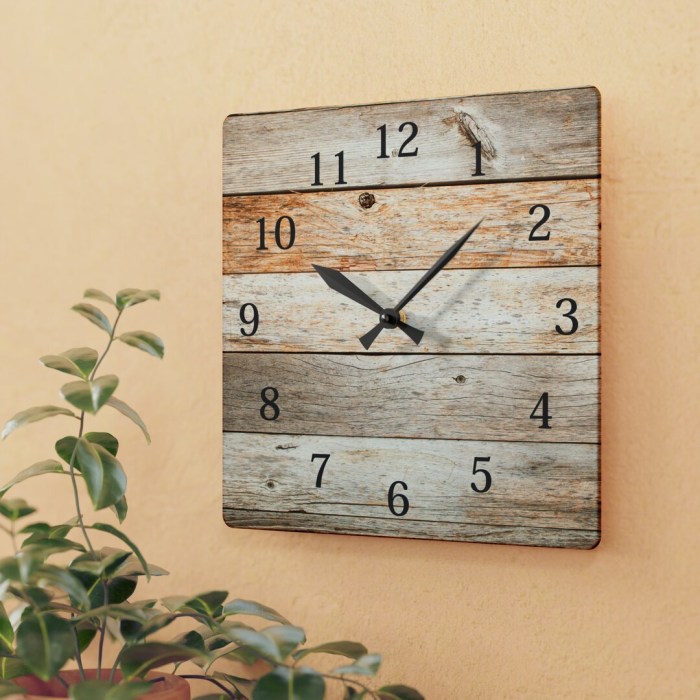
Indonesian rustic wood clocks, with their unique charm and craftsmanship, require specific care to preserve their beauty and longevity. Proper maintenance extends the life of the clock, ensuring it continues to be a treasured piece for years to come. Careful attention to cleaning, protection, and repair minimizes the risk of damage and ensures the clock retains its aesthetic appeal.Maintaining the aesthetic appeal of a rustic Indonesian wood clock hinges on understanding its construction and the materials used.
Wood, being a natural material, is susceptible to environmental factors like humidity and temperature fluctuations. Understanding these factors and implementing preventative measures ensures the clock remains in pristine condition.
Cleaning Wooden Components
Regular cleaning is crucial for maintaining the clock’s aesthetic appeal. Dust accumulation can dull the natural beauty of the wood, while moisture can lead to discoloration or warping. Using a soft, lint-free cloth dampened with a mild cleaning solution, like a mixture of water and a few drops of dish soap, is ideal for removing dust and dirt.
Avoid harsh chemicals or abrasive materials that could scratch or damage the wood’s surface. For stubborn stains, a specialized wood cleaner recommended for the specific type of wood used in the clock should be employed.
Protecting the Clock from Damage
Protecting the clock from damage requires proactive measures. Positioning the clock in a stable location away from direct sunlight or excessive heat is vital. Humidity control in the environment is crucial to prevent warping or cracking of the wood. Using a clock cover, particularly during periods of high humidity or dust, is a simple yet effective measure.
The cover safeguards the clock’s surface against accidental impacts and prevents dust accumulation.
Repairing Minor Damages
Minor damages, such as small scratches or dents, can often be addressed with simple repairs. For minor scratches, using a wood filler specifically designed for the type of wood is often sufficient. Matching the filler’s color to the wood’s natural tone is important for a seamless repair. If the damage is more extensive, consulting a qualified woodworker is recommended to ensure a professional and lasting repair.
Careful handling of the clock and its components prevents further damage.
Preventing Warping or Cracking
Warping or cracking of the wood is a common concern with wooden clocks, especially in fluctuating environments. Maintaining a consistent humidity level in the room where the clock is placed is essential. Using a humidifier or dehumidifier as needed helps regulate the moisture content in the air. Avoid placing the clock near sources of extreme heat or cold, as these can cause the wood to expand or contract unevenly.
These preventive measures minimize the risk of long-term damage to the clock.
Sustainability and Ethical Sourcing
Indonesian rustic wall clocks, with their inherent charm and handcrafted quality, can also embody sustainable practices. Choosing ethically sourced wood and minimizing environmental impact during production are crucial for maintaining the integrity of this traditional craft and its appeal to conscious consumers. A focus on sustainability strengthens the brand and positions the product as responsible and aligned with modern values.Sustainable practices in crafting these clocks extend beyond simply selecting the wood; they encompass the entire production process.
From responsible forest management to minimizing waste and promoting fair labor practices, every step contributes to a more ethical and environmentally conscious product. By incorporating these principles, producers can enhance the appeal of their clocks to a growing segment of consumers who prioritize environmentally friendly goods.
Importance of Sustainable Practices
Sustainable practices are essential for the long-term viability of the Indonesian rustic clock industry. They ensure the continued availability of high-quality wood, protect biodiversity, and reduce the industry’s environmental footprint. Furthermore, demonstrating commitment to sustainability enhances the brand image and attracts environmentally conscious consumers, driving market growth and profitability.
Ethically Sourced Wood Types
A variety of wood types are suitable for crafting rustic clocks, each with its own aesthetic appeal and characteristics. Sustainable alternatives to commonly used woods include teak, teak is a hardwood known for its durability and beautiful grain, with proper forest management, it can be a sustainable option. Sustainable certifications like the Forest Stewardship Council (FSC) are important indicators of responsible sourcing.
This ensures that the wood comes from managed forests that maintain biodiversity and prevent deforestation. Other woods, like ironwood or certain types of mahogany, when sourced from responsibly managed forests, offer similar benefits in terms of sustainability. Using sustainably harvested wood safeguards forests and promotes biodiversity.
Environmental Impact of Different Wood Choices
The environmental impact of wood choice varies significantly. Fast-growing, sustainably sourced hardwoods like acacia or certain types of bamboo can have a significantly lower environmental impact than old-growth hardwoods that take longer to regenerate. Carefully selecting wood types and prioritizing sustainable sources is crucial. This minimizes the risk of contributing to deforestation and habitat loss. The environmental footprint of wood used in clock production can be significantly reduced through sustainable forest management and the use of alternative, responsibly sourced materials.
Minimizing Waste During Crafting
Minimizing waste in the crafting process is essential. Using every piece of wood efficiently, employing woodworking techniques that minimize scrap, and utilizing wood offcuts for smaller decorative elements, like clock faces or accent pieces, all contribute to reducing waste. Innovative techniques and creative designs can reduce the need for excessive material use and maximize the use of existing wood resources.
This approach not only benefits the environment but also enhances the cost-effectiveness of production.
Promoting Environmentally Friendly Practices
Promoting environmentally friendly practices within the Indonesian rustic clock industry requires a multi-faceted approach. Implementing sustainable sourcing policies, partnering with organizations that promote responsible forestry, and educating artisans about sustainable practices are crucial steps. This can lead to a significant reduction in the industry’s environmental impact and enhance the overall reputation of the products. By encouraging and implementing sustainable practices, the industry can ensure the long-term viability of the craft and the preservation of its cultural heritage.
Last Word
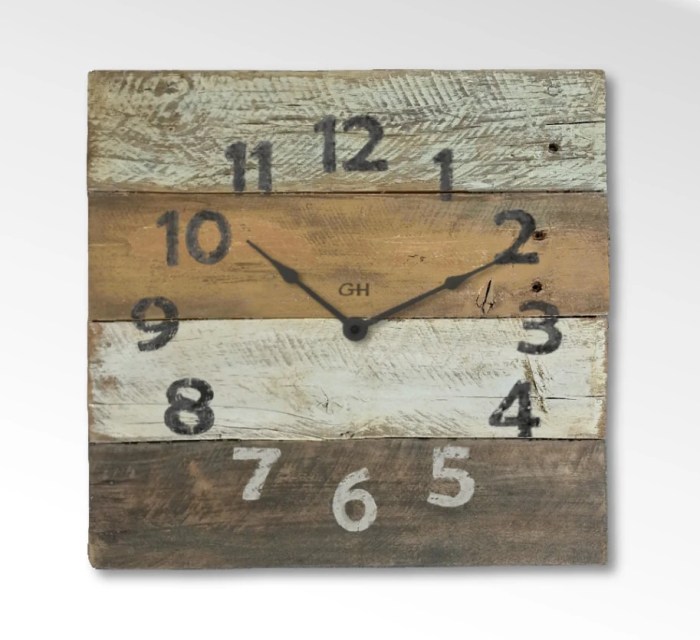
In conclusion, Indonesian rustic wall clocks offer a compelling blend of cultural richness, artistic expression, and practical functionality. This detailed exploration provides a roadmap for artisans and enthusiasts alike, enabling them to create or appreciate these stunning timepieces, reflecting both the beauty of Indonesian craftsmanship and the enduring appeal of rustic design.