
Indonesian home decor, rich in tradition and vibrant artistry, offers a captivating canvas for event styling. From the intricate carvings of Javanese furniture to the breezy elegance of Balinese textiles, this guide explores diverse styles, practical applications, and cultural significance. The potential for creating unique and memorable events is immense.
This exploration delves into the specific styles of Indonesian home decor, considering their adaptability for various event types. It also examines the cultural context of these styles, ensuring respectful and authentic representations. The practical considerations of budget, space, and logistics are also addressed, empowering event planners with actionable insights.
Styles of Indonesian Home Decor
Indonesian home decor, a vibrant tapestry of tradition and artistry, offers a rich and diverse array of styles, each reflecting the unique cultural heritage of its region. From the ornate carvings of Java to the serene simplicity of Bali, these styles are imbued with historical significance, meticulously crafted with local materials, and often infused with spiritual symbolism. These distinct aesthetics provide a captivating insight into Indonesia’s rich cultural landscape, offering homeowners a means to incorporate elements of their heritage into their living spaces.Traditional Indonesian home decor styles, rooted in centuries-old craftsmanship and deeply connected to local beliefs and customs, offer homeowners a unique opportunity to infuse their spaces with cultural significance.
Each style showcases a unique aesthetic, characterized by specific design elements, materials, and techniques. These styles, encompassing Javanese, Sundanese, and Balinese aesthetics, represent a compelling blend of artistic expression and cultural identity.
Javanese Style
The Javanese style, prevalent in Central and East Java, is characterized by elegance and sophistication. It often incorporates intricate carvings, intricate motifs, and a strong emphasis on symmetry. Materials such as wood, often beautifully carved and inlaid with precious metals like gold or silver, are frequently used. The color palette leans towards earthy tones, such as deep browns, muted greens, and rich reds, reflecting the natural environment.
This style frequently showcases traditional motifs with spiritual or historical significance, lending an air of antiquity and reverence to the space.
Sundanese Style
The Sundanese style, originating from West Java, is known for its warmth and natural beauty. This style places a high value on practicality and functionality, evident in its use of natural materials like bamboo and rattan. Geometric patterns and simpler motifs, often inspired by nature, are frequently incorporated into the design. The color palette is often a blend of natural hues, ranging from light browns to muted greens and blues, evoking a sense of serenity and harmony with nature.
A significant element is the emphasis on open spaces and natural light, creating a feeling of spaciousness and tranquility.
Balinese Style
The Balinese style, originating from the island of Bali, is renowned for its vibrant colors, intricate carvings, and emphasis on natural elements. It frequently features elaborate motifs, often inspired by Hindu-Balinese mythology, with a rich palette of bold colors. Materials like wood, stone, and woven textiles, often adorned with intricate patterns, are frequently used. The emphasis on natural light and open spaces creates a connection with the surrounding environment.
This style often showcases a harmonious blend of traditional craftsmanship and contemporary aesthetics, reflecting the island’s rich cultural heritage.
Comparative Analysis of Styles
| Style | Key Features | Examples |
|---|---|---|
| Javanese | Intricate carvings, symmetry, earthy tones, precious metals, spiritual motifs | Ornate wooden furniture, intricately designed walls, use of gold or silver inlay |
| Sundanese | Natural materials (bamboo, rattan), geometric patterns, warm colors, open spaces, practicality | Rattan furniture, woven textiles, natural light-filled rooms, emphasis on functionality |
| Balinese | Vibrant colors, intricate carvings, natural elements, Hindu-Balinese motifs, open spaces | Wooden sculptures, colorful textiles, natural stone accents, open-plan living areas |
Event Styling Inspiration
Indonesian home decor, rich in cultural heritage and aesthetic appeal, offers a compelling canvas for event styling. Its intricate patterns, vibrant colors, and natural materials can transform any gathering into a unique and memorable experience. This approach moves beyond mere decoration, weaving a narrative that connects guests to the heart of Indonesian traditions.Beyond the aesthetic, the practical application of Indonesian home decor in event styling allows for adaptability across diverse event types.
Careful consideration of color palettes, themes, and material choices can ensure a seamless transition from intimate gatherings to large-scale celebrations. This flexibility is a key advantage for event planners seeking to create a truly personalized and impactful experience.
Examples of Event Styling
Indonesian home decor elements can infuse events with a captivating atmosphere. For example, a wedding reception could feature intricate batik-inspired table runners and patterned cushions, complemented by lush floral arrangements in warm earth tones. Similarly, a birthday party could incorporate woven wall hangings, providing a backdrop for playful photo opportunities. The strategic use of these elements transforms the event space from a neutral backdrop to a vibrant reflection of Indonesian cultural artistry.
Adapting Decor for Different Events
The versatility of Indonesian home decor allows for its application in various event types. For weddings, the use of ornate textiles, delicate carvings, and warm lighting can create a romantic and traditional ambiance. Parties can benefit from incorporating vibrant patterns, playful colors, and unique furniture pieces, creating a festive and lively environment. Ceremonies, similarly, can embrace the rich symbolism of Indonesian motifs, incorporating elements that evoke a sense of respect and tradition.
Color Palettes and Themes
A harmonious color palette is crucial for a successful event. For a traditional Indonesian theme, earth tones such as terracotta, ochre, and deep greens, combined with accents of gold and bronze, can evoke a sense of warmth and sophistication. Alternatively, a more modern interpretation might incorporate bolder colors like emerald green, vibrant oranges, and deep blues, drawing inspiration from the vibrant nature of Indonesian art.
The choice of color palette should reflect the overall tone and atmosphere of the event.
Event Types and Indonesian Decor Themes
| Event Type | Suggested Indonesian Decor Themes |
|---|---|
| Wedding | Traditional Javanese, Romantic Balinese, Modern Indonesian |
| Birthday Party | Tropical Indonesian, Playful batik, Festive Javanese |
| Ceremony | Formal Javanese, Sophisticated Sundanese, Religious Javanese |
| Corporate Event | Modern Indonesian, Contemporary Javanese, Elegant Balinese |
Cultural Significance of Decor
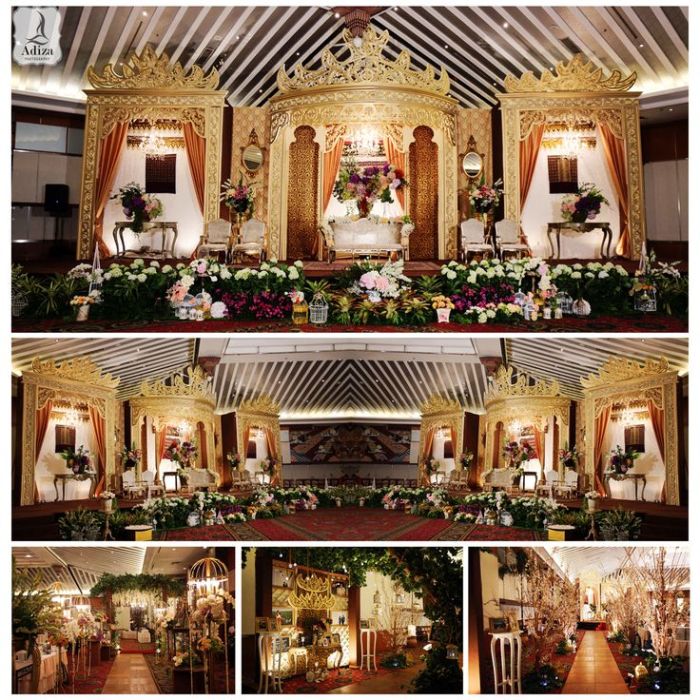
Indonesian home decor, rich in history and tradition, offers a unique tapestry woven from diverse regional influences. Understanding the cultural significance behind specific elements is crucial for authentic event styling. Respectful incorporation of these elements honors the heritage while creating an immersive and engaging experience for guests. This approach avoids cultural misinterpretations and fosters appreciation for Indonesia’s vibrant cultural landscape.Beyond aesthetic appeal, Indonesian home decor carries profound symbolic meaning, reflecting the values and beliefs of the people.
Careful consideration of these meanings is essential for successful event styling. By thoughtfully incorporating these elements, event organizers can elevate the experience for attendees, fostering a deeper connection with Indonesian culture.
Regional Variations in Decor
Indonesian home decor exhibits significant regional variations, each with its own unique symbolism and aesthetic. These variations reflect the country’s diverse ethnic and cultural heritage, spanning from the bustling Javanese cities to the serene landscapes of Bali.
Symbolic Elements and Their Significance
Several key elements carry cultural weight and significance within Indonesian home decor. These elements often symbolize prosperity, harmony, and respect for ancestors. The thoughtful integration of these elements can enrich the atmosphere and create a more immersive experience for guests.
Table of Indonesian Decor Elements by Region
| Region | Decor Element | Significance | Event Styling Application |
|---|---|---|---|
| Java | Wayang Kulit (shadow puppets) | Representing stories from Javanese mythology, often depicting battles between good and evil. These puppets embody Javanese values and traditions. | Using wayang kulit-inspired art in backdrops, table runners, or even miniature figures for a unique touch. |
| Java | Batik | A traditional Indonesian textile art form using wax-resist dyeing. Different patterns and colors represent different stories and meanings. | Employing batik fabrics for tablecloths, chair covers, or wall hangings, providing a subtle yet impactful touch of Indonesian artistry. |
| Bali | Candi (temples) | Symbolising spiritual significance, harmony, and reverence for nature. Candi-inspired patterns or elements can be used to convey a peaceful and serene atmosphere. | Using candi-inspired elements in lighting, seating arrangements, or wall decorations. |
| Bali | Floral arrangements | Reflecting the natural beauty and reverence for nature. Specific flowers hold symbolic meaning. | Incorporating fresh flowers in elaborate arrangements, paying attention to symbolic meanings and color choices. |
| Sumatra | Traditional textiles | Representing the rich cultural heritage and history of the region. Specific patterns and colors often have deeper meanings. | Using traditional textiles for placemats, table runners, or incorporating them into patterned cushions or rugs. |
Respecting Cultural Nuances
Careful attention to cultural nuances is paramount when incorporating Indonesian home decor into event styling. Understanding the symbolic weight behind specific elements ensures respectful representation of the culture. The use of accurate and appropriate elements is essential. Incorrect or inappropriate use of elements can inadvertently offend or misrepresent the culture.
Materials and Craftsmanship
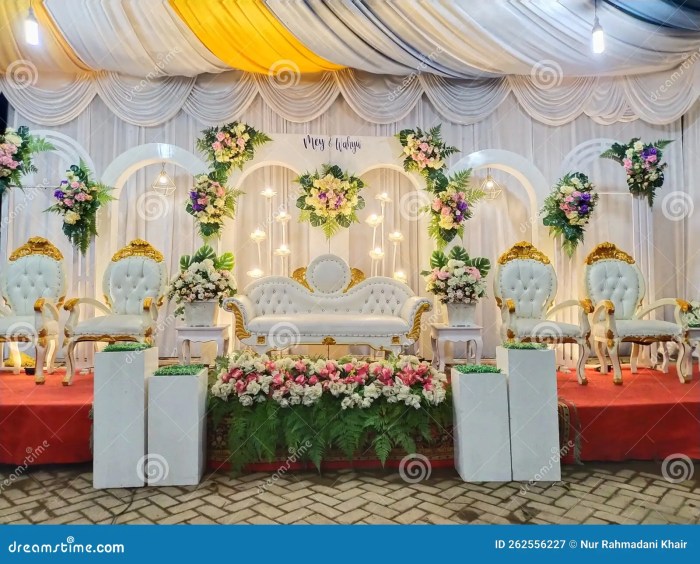
Indonesian home decor, steeped in centuries of tradition, showcases a remarkable mastery of materials and craftsmanship. From intricate carvings to meticulously woven textiles, these pieces embody a profound cultural heritage, often reflecting the unique characteristics of specific regions. This commitment to quality extends beyond aesthetics, emphasizing the enduring value of handcrafted objects.The selection of materials and the meticulous techniques employed in their treatment often hold symbolic meaning, tying the pieces to the spiritual and social fabric of Indonesian culture.
This attention to detail is evident in the diverse range of materials used, including natural resources, skillfully combined with traditional techniques. Understanding these elements is crucial for appreciating the depth and significance of Indonesian home decor.
Common Materials
Traditional Indonesian home decor utilizes a rich palette of natural materials. Wood, often teak or mahogany, is prevalent, prized for its strength and beauty. Rattan, bamboo, and other readily available natural fibers are frequently woven into furniture, wall hangings, and decorative elements. Natural dyes derived from plants and minerals are used to color fabrics and embellish wood, showcasing a deep understanding of natural resources and their applications.
Metalwork, often incorporating brass or bronze, is another prominent feature, frequently used in decorative accents, lamps, and functional objects.
Craftsmanship Techniques
The creation of Indonesian crafts often involves intricate and time-consuming techniques passed down through generations. Carving techniques vary widely, from simple relief work to highly detailed sculptures. Weaving traditions are equally diverse, with intricate patterns and designs woven into textiles, baskets, and mats. The precision and patience demanded by these techniques highlight the deep respect and appreciation for craftsmanship inherent in Indonesian culture.
For example, the intricate wood carvings found on traditional Javanese doors often take months to complete, showcasing the skill and artistry of the artisan.
Supporting Local Artisans
Recognizing the vital role of local artisans and craftsmen is crucial to preserving this cultural heritage. Purchasing handcrafted Indonesian decor directly from artisans or through reputable vendors ensures that these vital skills and traditions are sustained. Supporting local artisans empowers them to continue their craft and provides a sustainable income source, contributing to the well-being of communities and the continuity of cultural practices.
By purchasing these pieces, consumers directly support the local economy and contribute to the preservation of Indonesia’s rich artistic legacy.
Resources for High-Quality Indonesian Crafts
Finding high-quality Indonesian crafts for events requires careful consideration and research. Craft fairs and markets, often held in major cities, offer direct access to artisans and their creations. Online marketplaces specializing in Indonesian crafts provide a convenient alternative for wider access. Furthermore, many hotels and resorts in Indonesia offer curated collections of traditional crafts, ensuring authenticity and quality.
By seeking out reputable sources, event stylists can confidently incorporate authentic Indonesian elements into their designs, promoting cultural understanding and appreciation.
- Craft Fairs and Markets: These events provide a direct connection to artisans, enabling you to appreciate the craftsmanship firsthand and potentially negotiate prices. Look for local craft fairs in major cities or those specifically highlighting Indonesian arts and crafts.
- Online Marketplaces: Online platforms dedicated to Indonesian crafts offer a vast selection, allowing you to compare prices and quality from various vendors. Thorough research and vendor reviews are crucial to ensure authenticity and quality.
- Reputable Retailers: Hotels, resorts, and other businesses in Indonesia often carry curated collections of traditional Indonesian crafts. This can provide access to authentic pieces with guarantees of quality and origin.
Color Palettes and Themes
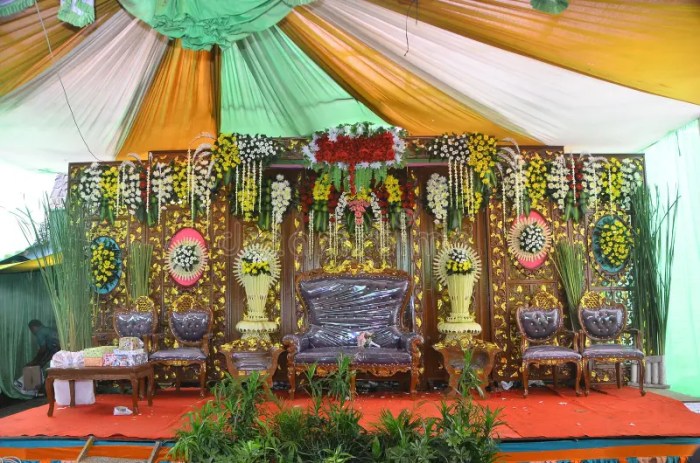
Indonesian home decor for events leverages vibrant color palettes and thematic elements deeply rooted in the nation’s rich cultural heritage. These aesthetics, when skillfully applied, can transform any event space into a captivating reflection of Indonesian artistry and tradition. Understanding these palettes allows event stylists to create immersive experiences that resonate with attendees.Event design often translates cultural elements into tangible visual representations.
A keen eye for color, pattern, and thematic cohesion can significantly elevate the event’s impact, creating an unforgettable atmosphere for guests. The chosen color palettes should complement the event’s purpose and the overall aesthetic.
Color Palette Inspirations
Indonesian nature provides a treasure trove of color inspiration. From the fiery hues of a tropical sunset to the emerald greens of lush rice paddies, the nation’s landscape offers a vast spectrum of color palettes. Traditional textiles and batik designs further enrich these possibilities, showcasing intricate patterns and vibrant colors. A deeper understanding of these natural and cultural influences will yield compelling and authentic design choices.
Event Themes
Drawing inspiration from these rich color palettes, event themes can encompass a variety of celebrations and occasions. A “Batik Fusion” theme, for instance, might incorporate batik patterns with contemporary elements, reflecting a harmonious blend of tradition and modernity. A “Javanese Royal Court” theme could evoke the grandeur of Javanese history through elaborate fabrics, intricate details, and rich color combinations.
Creating a Cohesive Look
Achieving a cohesive look requires careful consideration of color harmony and pattern integration. For example, a predominantly earthy color palette, inspired by Indonesian landscapes, can be enriched by incorporating contrasting accents. The use of complementary colors, like deep blues and earthy oranges, or analogous colors, such as various shades of green, can create a visually appealing and balanced design.
Consider how color and pattern interact; this crucial step can ensure that the final look feels unified and harmonious.
Color Palettes, Themes, and Decor Items
| Color Palette | Event Theme | Suggested Decor Items |
|---|---|---|
| Warm Earth Tones (browns, terracotta, golds) | “Traditional Village Fair” | Woven baskets, terracotta pots, wooden sculptures, dried flowers, natural fabrics |
| Vibrant Tropical Hues (reds, oranges, yellows, greens) | “Tropical Garden Party” | Jungle-inspired prints, vibrant floral arrangements, wicker furniture, natural elements |
| Rich Blues and Greens (deep blues, emerald greens, navy) | “Javanese Royal Court” | Gold accents, intricate carvings, silk fabrics, patterned cushions, ornate tapestries |
| Batik Inspired (various rich colors and patterns) | “Batik Fusion” | Batik textiles, painted ceramics, decorative masks, batik-printed fabrics |
Furniture and Accessories
Indonesian home decor often showcases a blend of traditional craftsmanship and modern aesthetics. Furniture and accessories play a crucial role in conveying cultural heritage and adapting to contemporary living. This section explores the common types of furniture and accessories used in Indonesian home decor, their adaptation for event styling, and the significance of scale and proportion.
Common Furniture Types
Indonesian furniture often incorporates natural materials like teak, rattan, and bamboo. Traditional pieces often feature intricate carvings, intricate patterns, and bold designs. Modern Indonesian furniture designs tend to retain these aesthetic elements while incorporating contemporary shapes and styles. This fusion creates a unique visual appeal that blends tradition with modern comfort.
Accessories in Indonesian Decor
A rich array of accessories complements Indonesian home decor. Textiles, such as batik and songket, are prevalent, adding vibrant color and cultural significance. These textiles can be incorporated into cushions, throws, and wall hangings. Ceramics and carvings, often featuring motifs from Indonesian folklore or nature, add another layer of visual interest. The judicious use of these accessories can elevate the overall aesthetic appeal.
Adapting Furniture for Event Styling
The adaptable nature of Indonesian furniture makes it ideal for event styling. Pieces like low tables, carved chairs, and intricately designed chests can be used to create a thematic setting. For instance, a traditional batik-covered cushion can be strategically placed to add color and visual interest to a reception area. Rattan furniture provides a light and airy feel perfect for outdoor events.
Scale and Proportion in Event Styling
The scale and proportion of furniture are critical in event styling. Large, imposing pieces should be balanced with smaller, more delicate ones to avoid an overwhelming or cluttered look. For example, a tall, carved cabinet can be paired with smaller side tables or low stools. This approach creates a harmonious balance and prevents the space from appearing cramped or disjointed.
Table: Furniture and Accessories for Event Styling
| Item | Style | Event Suitability |
|---|---|---|
| Carved teak cabinet | Traditional | Reception area, photo booth backdrop |
| Rattan chairs and table set | Contemporary | Outdoor events, garden parties |
| Batik cushions and throws | Cultural | Reception area, lounge areas, adding pops of color |
| Hand-carved wooden statues | Traditional | Focal point in a room, art installations |
| Low, ornate wooden table | Traditional | Centerpiece for a dining table, coffee table |
Lighting and Textiles
Indonesian home decor, particularly for events, relies heavily on the interplay of light and textiles to evoke a sense of place and cultural richness. The carefully chosen textiles, often imbued with intricate patterns and vibrant colors, serve as visual anchors, while lighting crafts the atmosphere. Strategic use of both elements can transform an event space into a captivating representation of Indonesian traditions.
Enhancing Ambiance with Lighting
Indonesian events often leverage soft, warm lighting to create a welcoming and intimate atmosphere. Dimmable LED lighting in warm hues like amber and gold can effectively mimic the golden hour’s soft glow, evoking a sense of serenity and festivity. The use of lanterns, particularly those crafted from natural materials like bamboo or rattan, adds a touch of rustic charm and authenticity, highlighting the cultural significance of the event.
Strategically placed spotlights can accentuate key architectural features or decorative elements, creating focal points within the space. These techniques collectively contribute to a rich, immersive ambiance that complements the cultural theme.
Traditional Textiles and Fabrics
Traditional Indonesian textiles, such as batik, tenun, and songket, are highly valued for their intricate designs, rich colors, and cultural significance. Batik, a wax-resist dyeing technique, often features intricate patterns that represent stories, legends, and historical events. Tenun, a weaving technique, produces fabrics with a distinctive texture and often vibrant colors, while songket, a type of brocade, is known for its gold or silver threads interwoven into the fabric, signifying wealth and prestige.
These textiles can be used in a multitude of ways, from draping them over walls or furniture to creating backdrops or incorporating them into table runners. Such applications highlight the richness and craftsmanship of Indonesian traditions.
Incorporating Natural Light Sources
Maximizing natural light sources is essential to creating a bright and airy event space that complements the aesthetic of Indonesian decor. Large windows, if available, can be adorned with sheer, light-filtering fabrics in soft colors. The natural light filtering through these fabrics will add depth and warmth to the overall ambiance. The strategic placement of mirrors can also reflect natural light throughout the space, enhancing the sense of openness and spaciousness.
Lighting and Textile Integration Table
| Element | Description | Examples | Cultural Significance |
|---|---|---|---|
| Lighting | Soft, warm lighting, mimicking natural light sources | Warm-toned LED lights, lanterns (bamboo, rattan), spotlights | Creates a welcoming and intimate atmosphere, evoking a sense of festivity and serenity. |
| Textiles | Traditional Indonesian textiles (batik, tenun, songket) | Batik wall hangings, tenun table runners, songket drapes | Showcase the intricate craftsmanship and cultural heritage of Indonesia. |
| Natural Light | Maximize natural light sources | Large windows, sheer fabrics, strategically placed mirrors | Creates a bright, airy, and open event space, enhancing the aesthetic of Indonesian decor. |
Creating a Cohesive Look
Blending Indonesian decor elements for events requires a keen eye for harmony. A cohesive look transcends mere aesthetics; it embodies a narrative, connecting the space with Indonesian culture and spirit. Achieving this necessitates a thoughtful approach to visual balance, pattern selection, and the strategic use of textures. This process should draw inspiration from traditional Indonesian artistry and craftsmanship, creating an ambiance that feels authentic and deeply engaging.Visual balance and symmetry are crucial in event styling.
Employing these principles ensures a visually appealing and well-structured presentation. Symmetry, for instance, can be achieved by mirroring elements or arranging objects in a balanced manner around a central focal point. This creates a sense of order and equilibrium, enhancing the overall aesthetic impact.
Visual Balance and Symmetry
Visual balance, achieved through symmetrical or asymmetrical arrangements, is key to a cohesive Indonesian-themed event. Symmetrical layouts, often used in traditional Indonesian architecture, create a sense of stability and formality. Asymmetrical layouts, however, can introduce dynamism and intrigue, balancing elements with varying sizes and shapes. Careful consideration of the focal point is essential, as it guides the eye and establishes the thematic center.
For example, a meticulously crafted batik wall hanging could serve as a central point, with complementary elements arranged around it.
Patterns and Textures
Indonesian art often thrives on intricate patterns and rich textures. The interplay of these elements adds depth and visual interest. For instance, the vibrant batik patterns can be echoed in cushions, tablecloths, or even wall hangings. The use of natural materials like wood, bamboo, or woven textiles adds warmth and texture to the space. Employing a palette of natural materials and colors will ensure the event space flows seamlessly from one element to another.
A balance between large and small patterns, subtle and bold textures, should be carefully considered to avoid overwhelming the space. Using batik prints as table runners and matching the patterned fabrics with complementary textures like woven baskets creates a cohesive aesthetic.
Event Layout Design Example
Imagine a reception hall designed for a traditional Indonesian wedding celebration. The central aisle is lined with woven mats in a complementary pattern to the batik wall hangings. A traditional ‘rumah adat’ (traditional house) structure, crafted from bamboo and wood, serves as a focal point. Batik fabrics are used for tablecloths and runners, complementing the colors and patterns of the ‘rumah adat’ structure.
The use of natural light, filtered through woven shades, highlights the intricate carvings on the ‘rumah adat’ and the detailed batik prints. Various sizes and shapes of woven baskets are placed strategically around the room, each with different patterns and colors. The overall effect is a sophisticated yet relaxed ambiance, perfectly reflecting Indonesian culture.
Practical Considerations for Events
Indonesian home decor, rich in cultural heritage and aesthetic appeal, offers a captivating backdrop for events. However, translating this visual richness into a successful event requires careful consideration of practical factors, from budget constraints to logistical challenges. Event planners need to navigate these nuances to create authentic and impactful experiences that resonate with both the organizers and attendees.Implementing Indonesian decor for events demands a pragmatic approach.
Factors like event space, budget allocations, and logistical considerations play a critical role in achieving the desired aesthetic without compromising practicality. Event planners must carefully weigh these elements to ensure that the visual impact aligns with the overall event goals.
Space Considerations
The scale of the event venue significantly impacts the feasibility of incorporating elaborate Indonesian decor. Large spaces allow for grand displays of traditional craftsmanship, such as ornate batik tapestries or intricate wood carvings. Conversely, smaller venues might necessitate a more curated approach, emphasizing key elements of Indonesian aesthetics rather than overwhelming the space. Careful planning is crucial to ensure that decor complements the venue’s dimensions and avoids visual clutter.
Budgetary Implications
Budgetary constraints significantly influence the scale and scope of Indonesian decor. A high-end event can afford opulent materials like hand-woven textiles and antique furniture. Mid-range budgets may focus on strategically placed artisanal pieces, such as handcrafted ceramics or decorative masks, combined with more readily available materials. Budget-conscious events can leverage inexpensive alternatives like patterned fabrics or locally sourced crafts, ensuring a sense of Indonesian style without exorbitant costs.
Budget Level Comparison
| Budget Level | Decor Approach | Material Examples |
|---|---|---|
| High-End | Opulent displays of traditional craftsmanship, incorporating antique furniture and hand-woven textiles. | Hand-woven batik textiles, antique furniture, high-quality wood carvings |
| Mid-Range | Strategic use of artisanal pieces and locally sourced materials. | Handcrafted ceramics, decorative masks, patterned fabrics, locally sourced wood crafts |
| Budget-Conscious | Focus on key elements of Indonesian style using inexpensive alternatives. | Patterned fabrics, locally sourced crafts, affordable decorative items |
Adapting Decor for Event Sizes
The size of the event dictates the approach to Indonesian decor. Large-scale events can showcase a wider array of decor elements, from intricate wall hangings to elaborate displays of traditional weaponry or vessels. Smaller events may opt for a more curated selection of visually striking pieces, focusing on impactful displays that reflect Indonesian aesthetics.
Practical Advice for Event Planners
“Careful planning and thoughtful execution are key to seamlessly integrating Indonesian decor into events, while respecting the budget and the venue.”
Event planners should prioritize a pre-event site visit to assess the available space and determine the optimal decor arrangement. Collaborating with local artisans and craftspeople can offer unique and authentic decor options within a specific budget. Strategic sourcing of materials, such as utilizing affordable but visually impactful textiles or locally crafted items, can enhance the event’s Indonesian aesthetic without straining the budget.
Ensuring the decor is easily transported and handled during setup and takedown will reduce logistical hassles. Finally, creating a cohesive visual narrative that effectively integrates Indonesian decor into the overall event theme is paramount.
Final Review
In conclusion, Indonesian home decor offers a powerful and versatile approach to event styling. By understanding the diverse styles, cultural nuances, and practical considerations, event planners can leverage this rich heritage to create captivating and memorable experiences. This guide provides a comprehensive framework for successfully incorporating Indonesian elements into events of all kinds, from intimate gatherings to grand celebrations.
