
Balinese stone carved dragon gardens are more than just decorative features; they are intricate tapestries woven from centuries of artistic tradition and spiritual meaning. These meticulously crafted landscapes, often featuring serpentine dragons, reflect profound cultural values and beliefs about prosperity, protection, and good fortune. The artistry is a testament to the skill and dedication of Balinese artisans, blending seamlessly with the natural beauty of the island.
This exploration delves into the fascinating world of these gardens, examining their history, design principles, construction techniques, symbolic meanings, and ongoing importance in Balinese culture. We’ll trace the evolution of these intricate works of art, highlighting their significance in both Balinese society and the tourism industry.
Introduction to Balinese Stone Carved Dragon Gardens
Balinese stone carving, a deeply rooted tradition, intertwines artistry with cultural and spiritual significance. These intricate works, often featuring mythical creatures like dragons, are more than mere decorations; they reflect centuries of artistic evolution and spiritual beliefs. The incorporation of these elements into gardens speaks to the Balinese worldview, where nature, art, and the divine are inextricably linked.Balinese gardens are not simply places of aesthetic beauty; they are microcosms of the cosmos, imbued with spiritual energy and symbolic representations.
The careful placement of stone carvings, often featuring dragons, plays a vital role in this symbolic landscape. The artistry and meticulous detail embedded within these creations provide a glimpse into the rich tapestry of Balinese culture.
History of Balinese Stone Carving Traditions
Balinese stone carving has a long and complex history, deeply entwined with the island’s rich artistic heritage. The tradition is believed to have originated from ancient Hindu-Buddhist influences, evolving over centuries to reflect local aesthetics and beliefs. Early examples showcase influences from neighboring cultures, particularly those from India and Southeast Asia, while gradually developing into distinct Balinese styles.
The meticulous craftsmanship and the symbolic meaning embedded within each piece are testament to the enduring legacy of this art form.
Cultural Significance of Dragons in Balinese Art and Architecture
Dragons, or Naga in Balinese tradition, are revered symbols of power, prosperity, and protection. They are frequently depicted in Balinese art and architecture, representing the forces of nature and the divine. The intricate carvings of dragons often incorporate elements of other mythical creatures and symbolic motifs, reflecting a complex cosmology. Their presence in gardens reinforces the idea that these spaces are more than just aesthetically pleasing; they are imbued with potent spiritual significance.
Role of Gardens in Balinese Society and Spirituality
Gardens in Balinese society serve as integral components of both daily life and spiritual practice. They are more than just places for recreation; they represent a miniature representation of the universe. The meticulous design, often incorporating intricate water features and stone carvings, is intended to harmonise the natural elements and create a space conducive to spiritual reflection and well-being.
This reverence for nature and the interconnectedness of the natural world with the spiritual realm is deeply ingrained in Balinese culture.
Common Materials Used in Balinese Stone Carving
Balinese stone carvers primarily use volcanic stone, known for its durability and aesthetic qualities. The stone, often a dark gray or black, is quarried locally and then meticulously shaped and carved. Other materials, such as wood, metal, and sometimes even ceramics, may be incorporated to enhance the aesthetic appeal and the symbolic meaning of the finished product. The choice of material is often influenced by the specific design and the intended spiritual significance.
Examples of Famous Balinese Stone Carvings
Numerous examples of Balinese stone carvings exist across the island, each with its unique story and significance. While precise naming conventions for specific carvings might not be readily available, numerous temples and palaces feature elaborate stonework, showcasing intricate designs and symbolic representations. The carvings on the walls of Pura Besakih, a significant Hindu temple complex, are particularly well-known for their intricate detailing and their portrayal of mythical figures and stories.
These carvings offer a rich visual narrative, embodying the spirit of Balinese artistry.
Design Elements of Dragon Gardens
Balinese stone-carved dragon gardens, more than mere decorative features, are intricate microcosms of Balinese philosophy, seamlessly blending artistry with spiritual symbolism. These meticulously crafted spaces are not simply gardens, but carefully curated representations of the interconnectedness of nature, spirit, and the cosmos. The dragons themselves, often prominent figures, are not just aesthetic elements, but embodiments of powerful forces and auspicious energies.These gardens reflect a deep-rooted respect for nature and a desire to harmonize with its rhythms.
Design principles are not arbitrary; they are imbued with centuries of cultural knowledge and spiritual beliefs. The careful placement of dragons, the choice of water features, and the selection of landscaping elements all contribute to the overall symbolic meaning and aesthetic impact of the garden.
Typical Design Principles in Balinese Gardens
Balinese gardens, a testament to the island’s rich artistic and spiritual heritage, adhere to a set of fundamental principles that emphasize balance and harmony. These principles are deeply ingrained in the culture and often reflected in the design of the dragon gardens. Key principles include a focus on natural elements, like water, plants, and stone, arranged in a way that mimics the natural world.
Symmetrical layouts, with carefully chosen focal points, are common, reflecting the concept of balance and equilibrium. Careful consideration is given to the flow of energy, ensuring a harmonious and auspicious environment.
Symbolic Meaning Behind Different Dragon Forms and Placements
Dragons in Balinese stone carvings are not monolithic entities. Their forms, sizes, and placements vary significantly, each carrying a unique symbolic meaning. For example, a coiled dragon may symbolize prosperity and protection, while a more aggressive form might represent warding off negativity. The positioning of the dragon within the garden, whether at the entrance, near a water feature, or at a higher elevation, contributes to the specific symbolism.
A dragon guarding a bridge, for instance, might represent the protection of journeys or the crossing of thresholds.
Common Use of Water Features and Landscaping Elements
Water features are integral to Balinese gardens, and dragon gardens are no exception. Ponds, streams, and fountains are commonly incorporated, symbolizing purity, abundance, and the life-giving forces of nature. The presence of water, often integrated with the dragon’s imagery, creates a serene and auspicious atmosphere. Landscaping elements, like carefully selected plants and stones, are not just decorative; they further enhance the symbolic meaning of the space.
The placement of specific plants, such as the sacred lotus, reinforces the spiritual essence of the garden.
Elaboration on the Use of Color and Texture in Stone Carvings
The artistry of Balinese stone carvings extends beyond form. The use of color and texture is crucial in conveying the symbolism and atmosphere of the dragon gardens. Natural stone hues, such as browns, greys, and blacks, are often employed, contrasting with the occasional use of vibrant pigments. The intricate carving techniques create a wide range of textures, from smooth surfaces to rough, weathered patterns, adding depth and visual interest to the stone sculptures.
These variations in color and texture contribute to the overall aesthetic appeal and symbolic resonance of the garden.
List of Design Elements Commonly Found in Balinese Gardens
- Symmetrical layouts, creating a sense of balance and equilibrium.
- Natural elements like water features, plants, and stones, arranged to mimic the natural world.
- Dragons in various forms, sizes, and placements, each with specific symbolic meanings.
- Integration of spiritual and cultural symbolism, reflecting the deep-rooted beliefs of the Balinese people.
- Careful consideration of the flow of energy, ensuring a harmonious and auspicious environment.
Table of Different Dragon Representations and Their Symbolism
| Dragon Representation | Symbolism |
|---|---|
| Coiled Dragon | Prosperity, protection, auspiciousness |
| Aggressive Dragon | Ward off negativity, overcoming obstacles |
| Dragon Guarding a Bridge | Protection of journeys, crossing thresholds |
| Dragon near a Water Feature | Abundance, purity, life-giving forces |
| Dragon at the Entrance | Welcome, auspicious beginnings, protection |
Construction Techniques and Materials
Balinese stone-carved dragon gardens are more than just decorative features; they represent a deep-rooted tradition, meticulous craftsmanship, and a profound understanding of the island’s natural resources. The intricate designs and the enduring beauty of these gardens are testaments to the skill and dedication of generations of artisans. The materials and techniques employed in their creation reflect the unique cultural context and environmental considerations of Bali.The meticulous artistry of these gardens hinges on the selection and preparation of the stone, the precision of the carving tools, and the profound knowledge passed down through generations.
The stones used in these creations are not just chosen for their aesthetic appeal, but also for their inherent properties, allowing for the intricate sculpting of the dragon forms. The methods employed in the carving process are carefully considered to ensure the preservation of the integrity of the stone and the fidelity of the design.
Stone Carving Methods
The process of carving Balinese stone dragons involves a combination of techniques, each honed over centuries. Chiseling is a fundamental method, using various sized and shaped tools to remove material. The use of hammers and mallets, often coupled with chisels of differing shapes and sizes, are used to shape the stone. Carving techniques are not simply about removing material; they also involve shaping and refining the stone to achieve the desired form and texture.
These techniques are passed down through generations, ensuring the continuity of this ancient art form.
Stone Types Used
Balinese stone-carved dragons are predominantly created from locally sourced stones, reflecting the island’s geological diversity. The choice of stone significantly impacts the final appearance and longevity of the garden elements.
- Granite: Known for its durability and resistance to weathering, granite is a popular choice for creating strong, lasting dragon forms. Its hardness allows for intricate detail and sharp edges, lending itself well to the creation of the powerful and majestic dragon forms.
- Andesite: This volcanic rock is a common stone choice in Balinese carving. Its relatively softer texture compared to granite allows for easier sculpting, although it may not be as durable in the long term, especially in exposed areas. Its variations in color and patterns offer unique aesthetic possibilities.
- Limestone: Limestone, another readily available stone in Bali, is used for its softer consistency, which allows for detailed carving and intricate patterns. However, its susceptibility to weathering makes it less suitable for exterior applications or where durability is a primary concern.
Sculpting the Dragon Forms
The dragon forms in these gardens are not mere representations; they are imbued with cultural symbolism and spiritual significance. The sculpting process is an elaborate one, involving multiple steps. Each dragon’s pose, scales, and details reflect a deep understanding of Balinese mythology and aesthetic traditions.
- Initial Blocking: The process begins with roughly shaping the stone to create the basic form of the dragon, often using larger tools and hammers. The goal is to create a general structure for the dragon.
- Detailed Carving: Once the basic form is established, finer chisels and other specialized tools are used to meticulously refine the details, such as the scales, eyes, and other features. This stage requires precision and control to create the intricate patterns and details characteristic of the dragons.
- Finishing: The final stage involves smoothing and polishing the stone surface to enhance the appearance and bring out the subtle textures. The use of specialized tools and techniques ensures the final product reflects the high level of craftsmanship associated with Balinese stone carving.
Tools and Techniques in Balinese Stone Carving
The tools used in Balinese stone carving are often handcrafted and designed for specific tasks. Their effectiveness is a testament to the skill of the local artisans.
- Chisels: Different shapes and sizes of chisels are used to remove stone material and create precise details. The selection of the right chisel is critical to the effectiveness of the carving.
- Hammers and Mallets: Used in conjunction with chisels to shape and remove stone. The types and sizes of hammers and mallets used vary based on the task and the stone being carved.
- Grinders and Polishers: Used to refine and smooth the surface of the stone, achieving the desired level of finish. The use of these tools enhances the aesthetic quality of the final product.
Comparison of Stone Types
| Stone Type | Durability | Ease of Carving | Suitability for Exterior Use |
|---|---|---|---|
| Granite | High | Low | Excellent |
| Andesite | Medium | Medium | Good |
| Limestone | Low | High | Poor |
The table above highlights the key differences between these stone types. The choice of stone depends on the intended use and the specific aesthetic goals of the designer.
Symbolic Meanings and Interpretations
Balinese stone-carved dragon gardens are more than mere decorative features; they are intricate tapestries woven with profound cultural and spiritual symbolism. These meticulously crafted representations of dragons reflect Balinese beliefs about prosperity, protection, and the harmonious interplay between the human and spiritual realms. The artistry extends beyond aesthetics, delving into a rich tapestry of meaning and tradition.These gardens serve as visual metaphors for the complex interplay between earthly and celestial forces.
The dragons, with their varied postures and attributes, embody powerful concepts deeply rooted in Balinese cosmology and philosophy. Understanding these symbols unlocks a deeper appreciation for the artistry and cultural significance embedded within each meticulously carved detail.
Dragon Representation in Balinese Culture
Dragons in Balinese culture are not simply mythical creatures; they are powerful embodiments of protective forces and potent symbols of prosperity. They represent strength, courage, and the ability to overcome adversity. These mythical beasts, often depicted with multiple heads and serpentine bodies, are revered for their ability to ward off negativity and usher in positive energies.
Connection to Prosperity, Protection, and Good Fortune
The presence of dragons in Balinese gardens directly correlates with the cultural desire for prosperity, protection, and good fortune. The symbolism suggests that the dragons’ presence brings these elements to the surrounding environment, creating a sanctuary of positive energy and auspiciousness. Their protective nature is believed to safeguard the home and its inhabitants from harm and negativity. The dragons’ ability to bring abundance and fortune resonates with the Balinese values of balance and harmony.
Symbolism of Different Dragon Postures and Positions
The posture and position of the dragon in a garden hold specific symbolic meaning. A dragon coiled in a protective posture signifies security and guardianship, while one rearing its head and emitting a roar embodies the potential for success and prosperity. The direction of the dragon’s gaze also carries meaning, often associating it with the cardinal directions and their respective spiritual energies.
Dragons facing particular directions are believed to direct auspicious energy flows.
Examples of Dragons Representing Balinese Values
Balinese stone-carved dragons are not merely decorative; they often represent Balinese values like respect for nature, harmony, and the importance of balance. For instance, dragons intertwined with other elements, like flowers or water features, represent the interconnectedness of life’s forces and the harmony that exists between nature and humanity. Dragons are often placed near temples or other sacred locations, highlighting their spiritual significance and connection to the divine.
A dragon guarding a doorway symbolizes protection and welcoming of positive energy.
Spiritual Significance of the Gardens
Balinese dragon gardens are not merely decorative elements; they are integral to the spiritual landscape of a home or temple. These gardens are believed to connect the earthly realm to the spiritual, fostering a harmonious environment that promotes well-being and prosperity. They are designed to channel positive energy and protect against negative influences. The intricate carvings and the carefully chosen positions of the dragons contribute to the overall spiritual atmosphere of the space.
Their symbolism is deeply ingrained in Balinese culture, reflecting a rich tapestry of beliefs and traditions.
Maintenance and Preservation
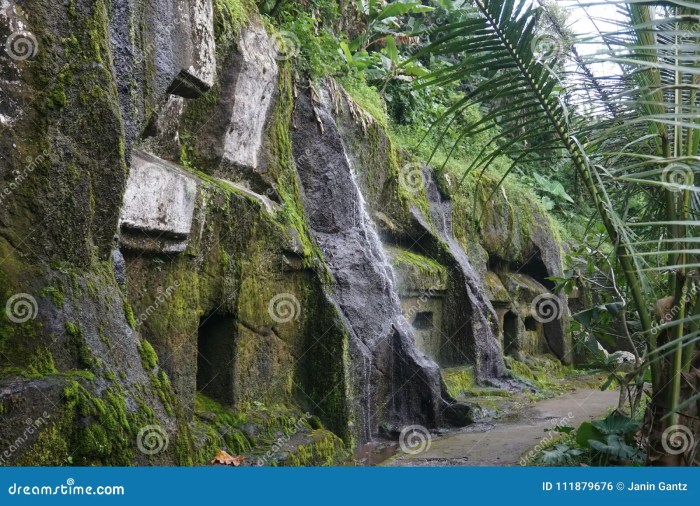
Balinese stone carvings, particularly those adorning dragon gardens, represent a profound cultural heritage, demanding meticulous upkeep for their longevity and preservation. These intricate works of art, often imbued with symbolic meaning, require careful consideration in their maintenance, reflecting the deep respect Balinese culture holds for its artistry. Proper maintenance extends beyond simply keeping the stones clean; it encompasses a holistic approach that considers the environment and the historical context.
Traditional Methods of Maintenance
Traditional Balinese stone carving maintenance emphasizes a hands-on, environmentally conscious approach. Carvers often use natural materials like water, soft brushes, and locally sourced cleaning agents. The focus is on gentle scrubbing and rinsing, avoiding harsh chemicals that could damage the delicate stonework. This traditional method prioritizes the longevity of the carvings while minimizing environmental impact. The knowledge of these methods is often passed down through generations, ensuring the preservation of ancient techniques.
Importance of Preservation
Preserving Balinese stone carvings is crucial not only for aesthetic appreciation but also for cultural and historical understanding. These carvings are more than mere decorations; they serve as tangible links to the past, conveying stories, beliefs, and artistic traditions of the Balinese people. Their loss would represent a significant cultural void, erasing invaluable historical records and depriving future generations of the opportunity to connect with their heritage.
Furthermore, the intricate details of these carvings, often representing mythical figures and intricate designs, hold significant value for both art enthusiasts and scholars.
Preventative Measures for Upkeep
Implementing preventative measures is vital for preserving the integrity of Balinese stone carvings. These measures extend beyond simple cleaning and encompass a proactive approach to environmental protection. A crucial aspect involves the proper application of protective coatings to prevent the ingress of moisture and pollutants. This preventative maintenance often involves using specialized, non-damaging sealants.
- Monitoring Environmental Factors: Careful monitoring of the environment surrounding the carvings, including humidity levels and rainfall patterns, is essential. This allows for the implementation of proactive measures to mitigate potential damage. Adjusting water management techniques or adding appropriate coverings can protect the carvings from the elements.
- Protection from UV Exposure: Excessive exposure to ultraviolet (UV) radiation can lead to the fading or deterioration of stone carvings. Protecting them from direct sunlight, through the use of awnings or shading, can mitigate this damage. This preventive measure can be crucial in mitigating the long-term effects of sun exposure on stone.
- Controlling Water Damage: Excessive water exposure is a major threat to stone carvings. Implementing proper drainage systems and avoiding prolonged water contact through the use of protective coverings can prevent water damage. Regular inspection of drainage systems and immediate repairs of leaks are vital.
Conservation Efforts
Conservation efforts play a critical role in the long-term preservation of Balinese stone carvings. They encompass a comprehensive approach that integrates traditional knowledge with modern techniques. These efforts can involve the training of local artisans in traditional and modern preservation methods. Conservation efforts not only preserve the physical artifacts but also safeguard the cultural knowledge associated with their creation and maintenance.
| Conservation Effort | Description | Impact |
|---|---|---|
| Training Programs | Equipping local artisans with modern conservation techniques while preserving traditional methods. | Preserves both traditional craftsmanship and modern preservation knowledge. |
| Research and Documentation | Detailed documentation of carving techniques, materials, and cultural significance. | Provides a comprehensive understanding for future preservation efforts. |
| Community Involvement | Engaging local communities in the preservation efforts. | Ensures long-term sustainability and cultural continuity. |
“Preserving Balinese stone carvings is not just about preserving stones; it’s about preserving a living culture.”
Examples of Famous Dragon Gardens
Balinese stone-carved dragon gardens, renowned for their intricate artistry and profound symbolism, are not simply decorative features. They represent a deep-seated cultural heritage, showcasing centuries of artistic evolution and reflecting the island’s unique spiritual landscape. These meticulously crafted spaces offer a glimpse into the Balinese worldview, where nature, art, and spirituality intertwine.These gardens, meticulously crafted over generations, often serve as private sanctuaries or public displays, meticulously designed to evoke specific emotions and convey particular narratives.
Each garden, a testament to Balinese artistry, possesses unique characteristics that set it apart. The design elements, construction methods, and symbolic meanings contribute to a rich tapestry of cultural expression.
Notable Dragon Gardens in Bali
Several notable Balinese stone-carved dragon gardens have garnered recognition for their artistic merit and cultural significance. These gardens stand as captivating examples of Balinese craftsmanship and cultural values.
Ubud Royal Palace Garden
This garden, situated within the Ubud Royal Palace complex, exemplifies the integration of dragon motifs with traditional Balinese architectural elements. Intricate stone carvings depicting mythical dragons, often paired with auspicious symbols like the linga and yoni, embellish the garden’s pathways and structures. The historical context of the garden connects it to the royal lineage and the palace’s role as a center of Balinese culture and power.
The garden’s cultural significance lies in its representation of royal authority and the connection to spiritual realms. The detailed carvings and the harmonious integration of natural elements within the stonework exemplify the garden’s aesthetic sophistication.
Tanah Lot Temple Garden
The garden surrounding the iconic Tanah Lot Temple, a sea temple perched on a rock formation, is an integral part of the temple’s overall significance. Dragon carvings, often subtle yet impactful, are strategically incorporated into the landscape. Their inclusion reflects the cultural belief in the spiritual power of dragons to protect and safeguard the temple. The historical context of the garden connects it to the temple’s long history as a site of pilgrimage and devotion.
The cultural significance is profound, emphasizing the harmonious coexistence of nature, spirituality, and human endeavor.
Nusa Dua Dragon Garden
This garden, situated in the tourist hub of Nusa Dua, features a more contemporary approach to dragon design, although still grounded in traditional Balinese aesthetics. Large-scale dragon sculptures and intricate stone carvings, set against meticulously landscaped gardens, create a visually striking experience. The garden’s historical context is rooted in its more recent creation, focusing on attracting tourists while still adhering to traditional artistic styles.
The cultural significance is in its ability to introduce Balinese artistry to a broader audience, while still maintaining a connection to the island’s rich cultural heritage.
Comparison of Three Dragon Gardens
| Garden | Key Features | Design Elements | Cultural Significance |
|---|---|---|---|
| Ubud Royal Palace Garden | Intricate carvings, integration with palace architecture, auspicious symbols. | Harmonious blend of stonework, pathways, and natural elements. | Represents royal authority, spiritual connection. |
| Tanah Lot Temple Garden | Subtle dragon carvings, integration with temple complex, emphasis on protection. | Landscaped gardens, strategically placed sculptures. | Symbolizes protection, spiritual pilgrimage, harmonious coexistence. |
| Nusa Dua Dragon Garden | Large-scale sculptures, contemporary design, meticulously landscaped. | Visual appeal, blend of traditional and modern styles. | Introduces Balinese artistry to a broader audience, maintaining cultural heritage. |
Modern Interpretations and Adaptations
Balinese stone-carved dragon gardens, steeped in centuries of tradition, are now undergoing a fascinating evolution. Contemporary artists are reimagining these intricate landscapes, blending traditional techniques with modern aesthetics and materials. This dynamic interplay reflects a desire to preserve the essence of the past while forging new expressions in the present.This evolution is not simply about incorporating modern elements; it’s about adapting the timeless principles of balance, harmony, and symbolism to resonate with contemporary sensibilities.
The resulting designs are often more abstract, yet still deeply rooted in the symbolic language of the past.
Contemporary Artist Adaptations
Contemporary artists are infusing new life into Balinese stone carving traditions by exploring different facets of the craft. They are not just replicating old forms; they are reinterpreting them, often adding a layer of personal expression and artistic innovation. This includes experimenting with innovative carving techniques, using unconventional stone types, and incorporating modern sculptural elements. For instance, some artists might employ digital modeling to refine their designs before carving, while others might explore the use of contrasting textures and colors to create a more dynamic visual narrative.
Modern Aesthetics in Design
Modern aesthetics are playing a significant role in shaping the design of contemporary dragon gardens. The focus is often on creating a sense of visual dynamism and spatial intrigue. This is achieved through unconventional layouts, asymmetrical compositions, and the use of non-traditional materials. Artists might incorporate modern lighting techniques to highlight specific features or create an atmospheric ambiance.
For example, a garden might feature an abstract dragon form illuminated by strategically placed LED lights, creating a mesmerizing interplay of light and shadow.
Modern Materials in Dragon Gardens
The use of modern materials is another key aspect of this evolution. While traditional materials like volcanic stone and limestone continue to be important, contemporary artists are also experimenting with concrete, metal, and even recycled materials. The use of concrete allows for more complex forms and larger-scale structures, while metal can add a sleek, modern edge. Recycled materials, such as reclaimed wood or metal scraps, can add a layer of environmental consciousness to the design.
Examples of Contemporary Designs
Several contemporary gardens exemplify this fusion of tradition and modernity. One example might be a garden featuring a minimalist dragon sculpture crafted from polished black basalt, complemented by a water feature made from recycled metal. Another garden might incorporate a series of interconnected stone benches with integrated LED lighting, creating a serene and intimate space for contemplation. These examples demonstrate how traditional Balinese aesthetic principles are being adapted to create contemporary spaces that are both beautiful and meaningful.
Geographical Distribution and Variations
Balinese stone-carved dragon gardens, a testament to the island’s rich artistic and cultural heritage, aren’t uniformly distributed. Their prevalence and stylistic nuances vary significantly across different regions, reflecting the unique histories and traditions of those areas. These variations, while subtle at times, reveal a deeper understanding of the cultural landscape of Bali.The distribution of these gardens isn’t random but rather a reflection of the historical and cultural importance of the regions.
Areas with a stronger emphasis on royal lineage, traditional ceremonies, or specific religious practices tend to feature more elaborate and significant examples of these gardens.
Regions of Prevalence
The regions in Bali most renowned for their dragon gardens are those with historical ties to royal families and traditional artistic practices. Ubud, often considered the cultural heart of Bali, boasts numerous examples, reflecting its central role in traditional Balinese arts and crafts. The southern region, particularly around the areas of Tanah Lot and Uluwatu, also show a strong presence of these gardens, often incorporating elements related to coastal deities and the sea.
Furthermore, the northern regions of Bali, while not as prolific, also showcase these gardens in various forms, often blending with the unique characteristics of the region.
Regional Variations in Design and Style
Significant stylistic variations emerge across different regions. Gardens in Ubud, for instance, often feature intricate designs, reflecting the area’s strong emphasis on artistry and traditional crafts. The use of stone, the complexity of the dragon figures, and the arrangement of plants and water features all contribute to this distinct style. Conversely, gardens in the southern region might prioritize a more serene and natural aesthetic, often integrating elements associated with the sea and coastal landscapes.
These gardens might feature more naturalistic stonework and fewer overtly elaborate carvings.
Comparison of Garden Features
Comparing gardens in Ubud and the southern regions, we see key distinctions. Ubud gardens typically prioritize intricate carvings and a more formal layout, reflecting the area’s historical and cultural focus on artistry. They might incorporate more elaborate stonework and a higher density of decorative elements. Conversely, southern gardens, influenced by the coastal environment, often prioritize natural elements and a more flowing design.
The presence of water features and specific plant life often reflects the area’s unique connection to the sea and its natural environment.
Historical and Cultural Context
The historical and cultural contexts of different regions heavily influence the style and design of these gardens. In areas with a strong royal heritage, the gardens might showcase more elaborate dragon figures and architectural elements, reflecting the importance of royal symbolism. Conversely, in areas with a strong connection to the sea or nature, the gardens might reflect these themes through the inclusion of specific plant life and water features.
Understanding this contextual link helps to appreciate the depth of meaning embedded in these gardens.
Relationship with Other Balinese Arts
Balinese art forms are deeply intertwined, sharing common themes, motifs, and artistic philosophies. Stone carving, a cornerstone of Balinese artistry, finds its roots in and profoundly influences other mediums, creating a rich tapestry of interconnected expressions. This interconnectedness is evident in the use of shared motifs, stylistic influences, and the consistent pursuit of spiritual and aesthetic harmony.The intricate details of Balinese stone carvings, often depicting mythical creatures, deities, or scenes from everyday life, are mirrored in other art forms, showcasing a shared aesthetic sensibility.
This interconnectivity extends beyond mere visual similarity, highlighting the cultural and spiritual significance inherent in each expression.
Connections to Painting and Sculpture
Balinese painting and sculpture frequently borrow motifs and compositional elements from stone carvings. The meticulous attention to detail in stone carving, including the rendering of facial expressions, body postures, and the environment surrounding the subject, often translates directly to the painting and sculpture of the same themes. This artistic exchange enriches both mediums, adding depth and complexity to the narratives and representations.
Shared Motifs and Themes
A recurring theme in Balinese art forms is the depiction of Hindu deities and mythical creatures. These figures are not merely representations; they embody spiritual and cultural beliefs. Their presence in stone carvings, paintings, and sculptures reinforces the importance of these narratives in Balinese society. Likewise, scenes of daily life, from ceremonies to agricultural practices, are also commonly depicted, demonstrating the deep connection between art and the lived experience of the community.
Artistic Styles and Techniques
The artistic styles in Balinese stone carving, painting, and sculpture share a common aesthetic language, emphasizing symmetry, balance, and harmony. The emphasis on line and form, the skillful use of negative space, and the representation of human and animal figures all contribute to a distinct artistic identity. This shared aesthetic sensibility creates a cohesive visual vocabulary across diverse art forms.
Influence on Architecture
Balinese architecture is deeply intertwined with the artistic principles of stone carving. The intricate carvings often adorn temple gateways, pillars, and other structural elements, transforming the architecture into a living embodiment of Balinese artistic traditions. This symbiotic relationship demonstrates how Balinese artistry permeates every facet of cultural expression.
Impact on Tourism and Local Economy
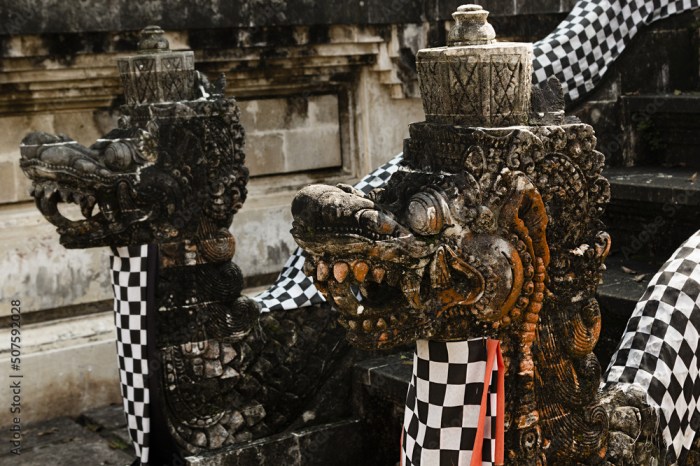
Balinese stone-carved dragon gardens, with their intricate artistry and rich symbolism, are proving a powerful engine for tourism, driving significant economic benefits for the island nation. These meticulously crafted landscapes, often situated within serene settings, serve as captivating attractions for visitors, transforming the local economy through direct and indirect revenue streams. Their cultural significance further strengthens their appeal, fostering both local pride and global interest.
Role in Attracting Tourists
These gardens, renowned for their artistic beauty and historical depth, act as a primary draw for tourists. Their unique aesthetic and symbolic narratives resonate with visitors, encouraging extended stays and deeper engagement with Balinese culture. The intricately carved dragons and other figures provide visual stories that are readily understood and appreciated, enhancing the overall tourism experience. Furthermore, the gardens’ tranquil atmosphere, often nestled within lush surroundings, contrasts with the bustling city life, providing a welcome respite and enriching the overall tourist experience.
The gardens are an integral part of the island’s curated tourism experience, alongside other cultural sites, temples, and natural attractions.
Impact on Local Economy
The presence of these gardens has a significant impact on the local economy. The demand for their design, construction, and maintenance directly creates employment opportunities for local artisans, stone carvers, and support staff. The increased foot traffic within the garden areas stimulates local businesses, including restaurants, shops, and transportation services. This indirect economic impact extends beyond the immediate area, benefiting the wider community.
The tourist spending generated by these gardens leads to a ripple effect, creating jobs and stimulating various sectors of the local economy.
Cultural Preservation Efforts
Preservation efforts related to these gardens are essential for maintaining their cultural significance and aesthetic integrity. These initiatives often involve collaborations between local communities, government agencies, and conservation organizations. Traditional craftsmanship techniques are often passed down through generations, ensuring the continued creation of authentic Balinese stone carvings. Training programs and workshops are often established to support the continued development of skilled artisans and promote sustainable practices.
These efforts ensure that the artistry and history of these gardens remain accessible to future generations.
Economic Impact Summary
The economic impact of Balinese stone-carved dragon gardens is substantial. They contribute to Bali’s tourism revenue, creating direct and indirect employment opportunities, stimulating local businesses, and strengthening the island’s cultural identity. These gardens are a crucial part of the island’s heritage and are an important driver of its local economy, fostering a balance between preserving cultural heritage and promoting economic development.
The economic impact is multifaceted, involving tourism revenue, employment generation, and overall economic growth. It is a significant contribution to Bali’s GDP, further enhancing its attractiveness as a global tourist destination.
Final Summary
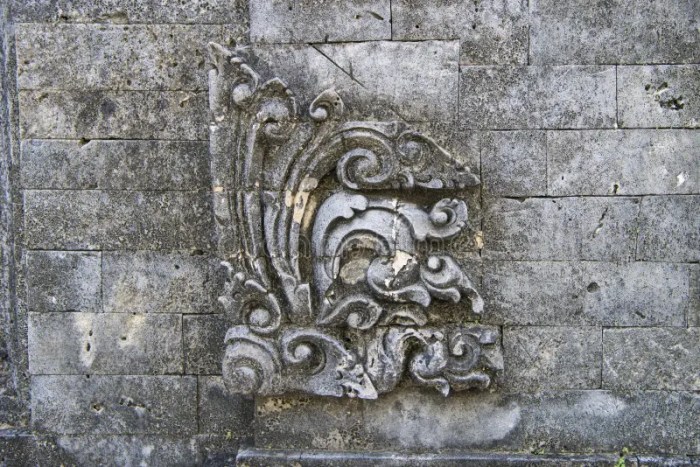
From their historical roots to contemporary interpretations, Balinese stone carved dragon gardens continue to captivate and inspire. These intricate creations showcase the enduring artistic traditions and spiritual beliefs of the Balinese people, leaving a lasting impact on visitors and locals alike. The gardens’ enduring appeal lies in their ability to blend artistry, symbolism, and cultural heritage into a harmonious whole.
The meticulous craftsmanship, symbolic depth, and ongoing cultural relevance of these gardens ensure their place as important cultural artifacts, preserving Balinese traditions for future generations. Their economic impact on the island is also significant, contributing to the local economy and employment opportunities.
